
The family safari that the Kalahari was made for
Share the extraordinary with the people who matter most
Family travel has a particular genius for revealing what people are really like. Strip away the routines and the separate schedules, put three generations in the same landscape for five days, and what emerges is something that no amount of Sunday lunches or Christmas gatherings quite replicates. The question, of course, is which landscape. And the answer, for those who know the Kalahari, is more obvious than it might initially appear.
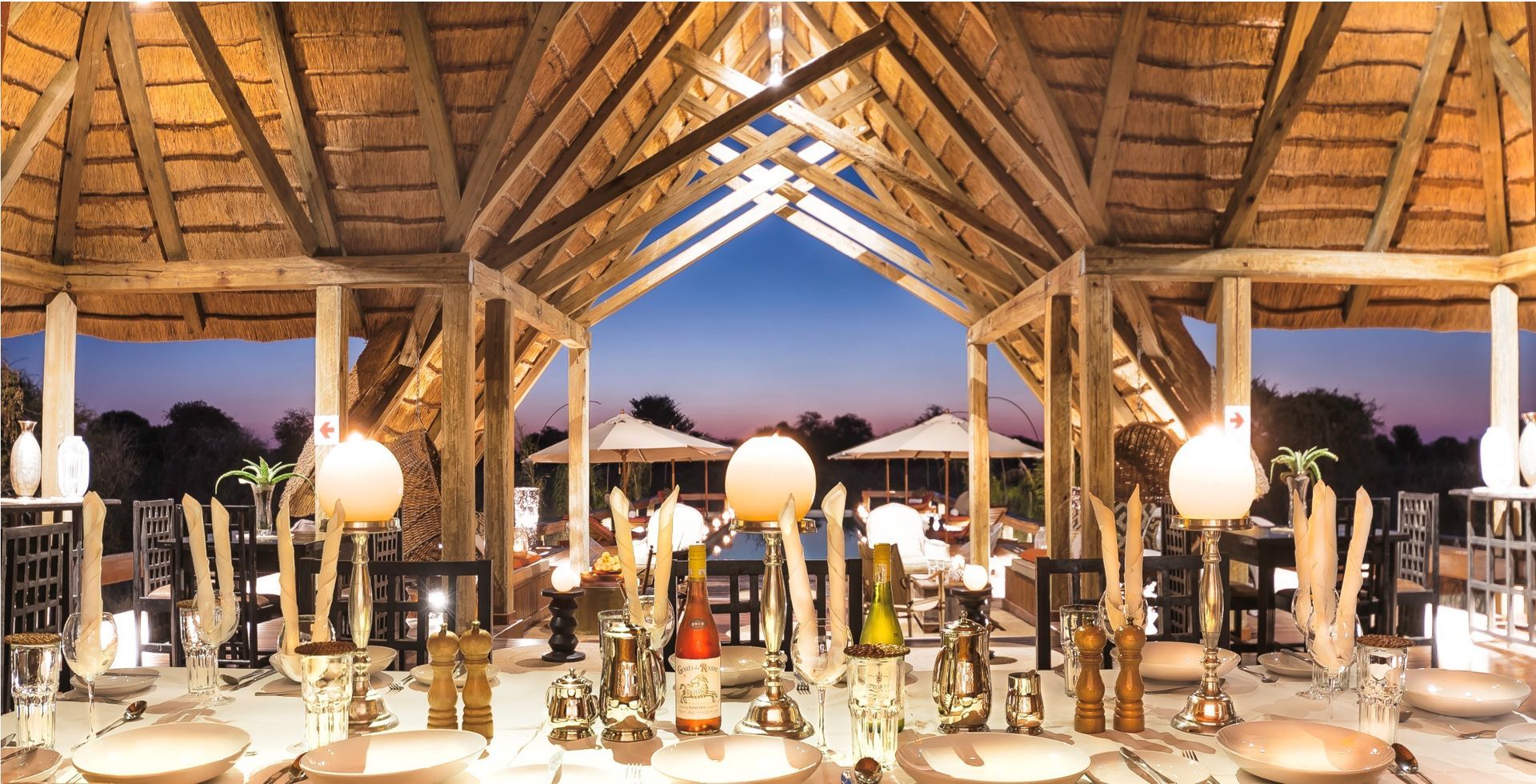
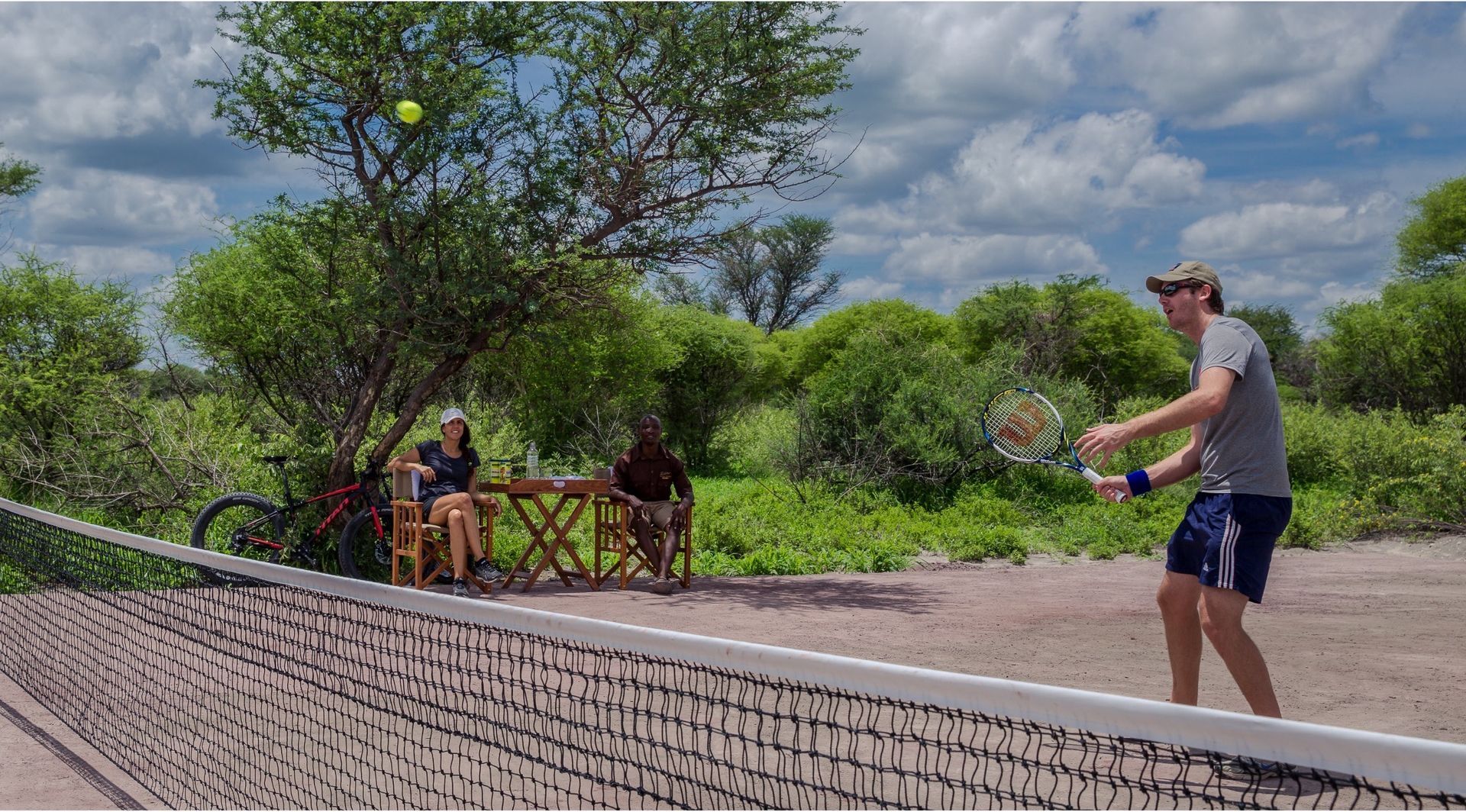
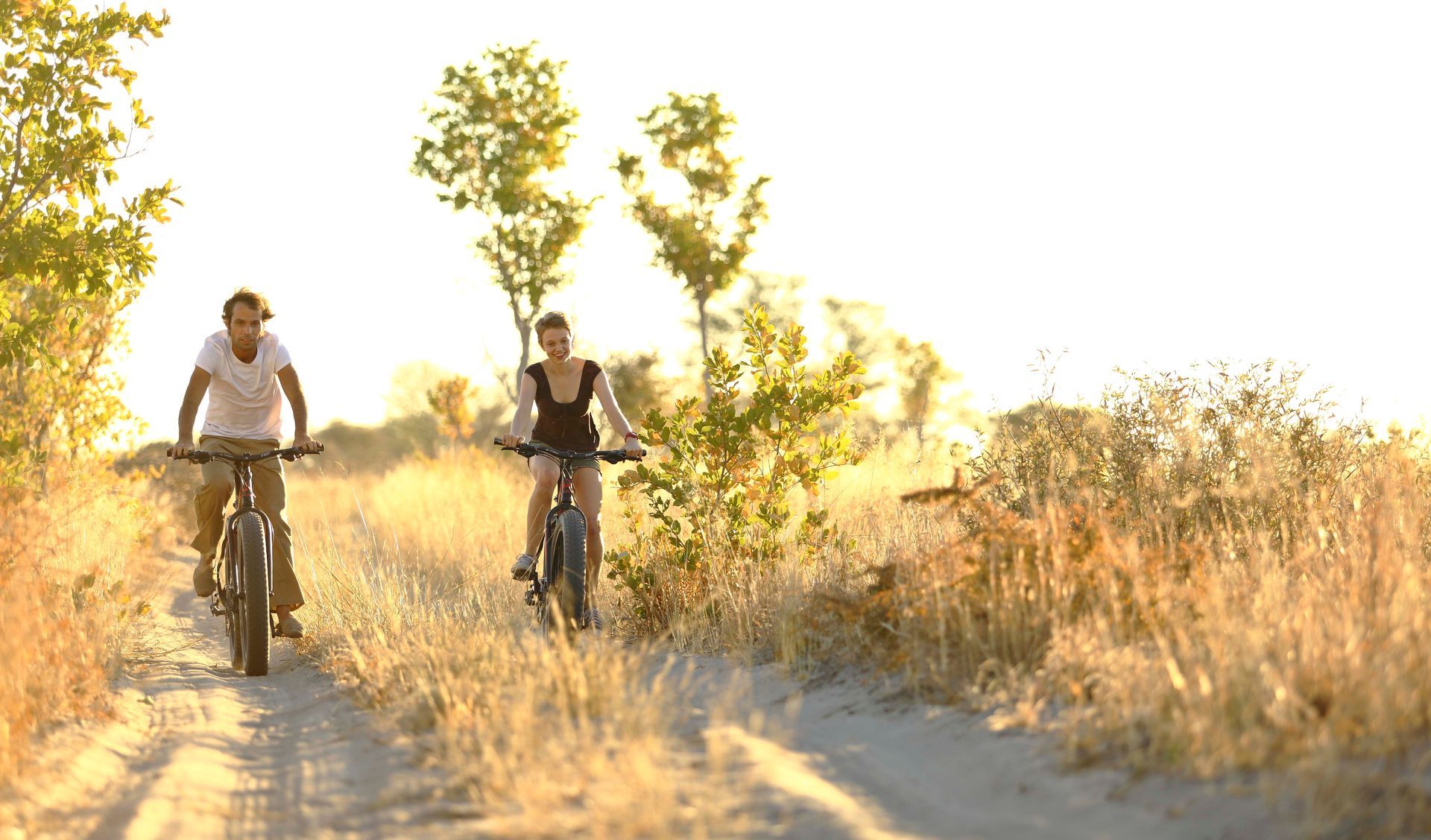
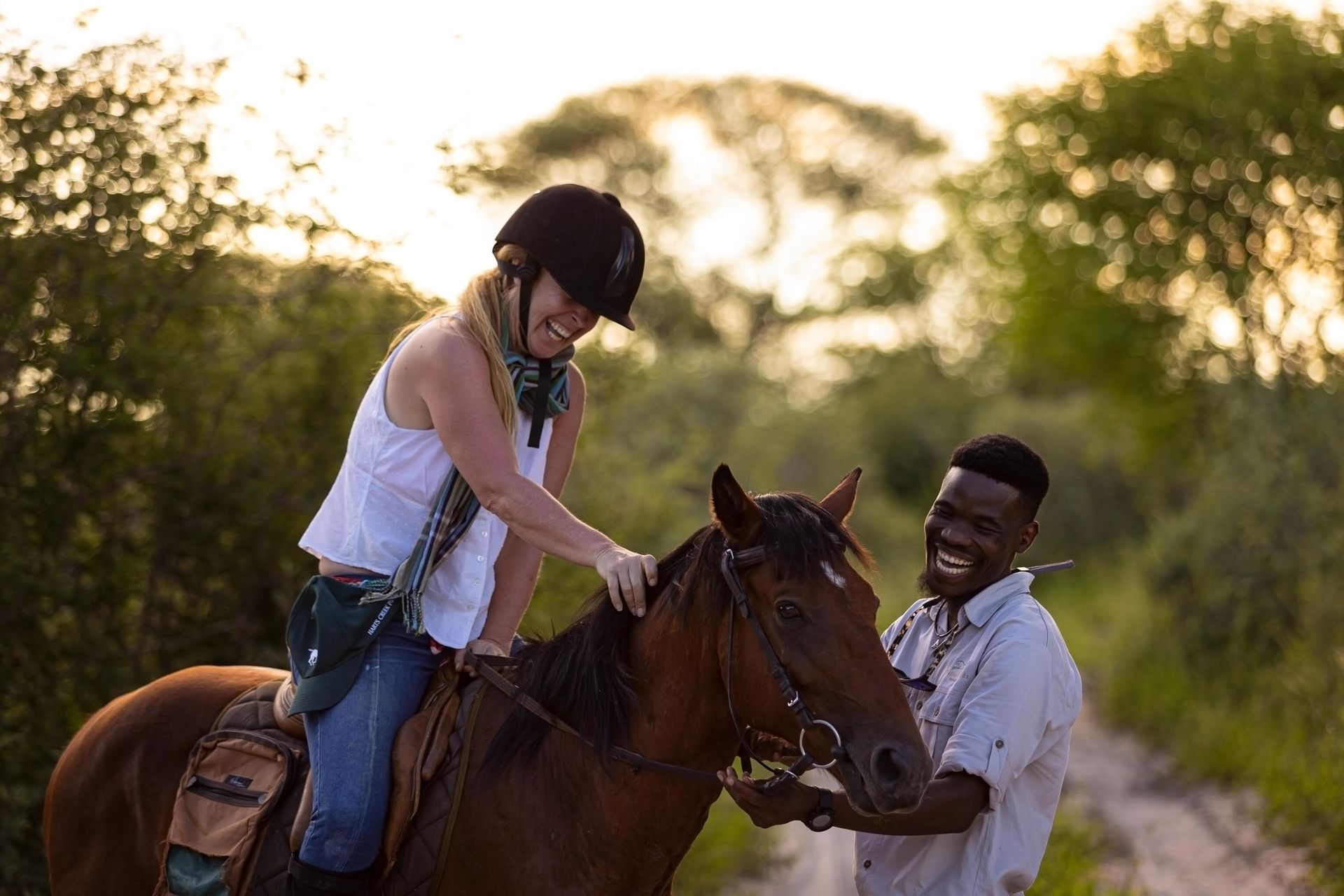
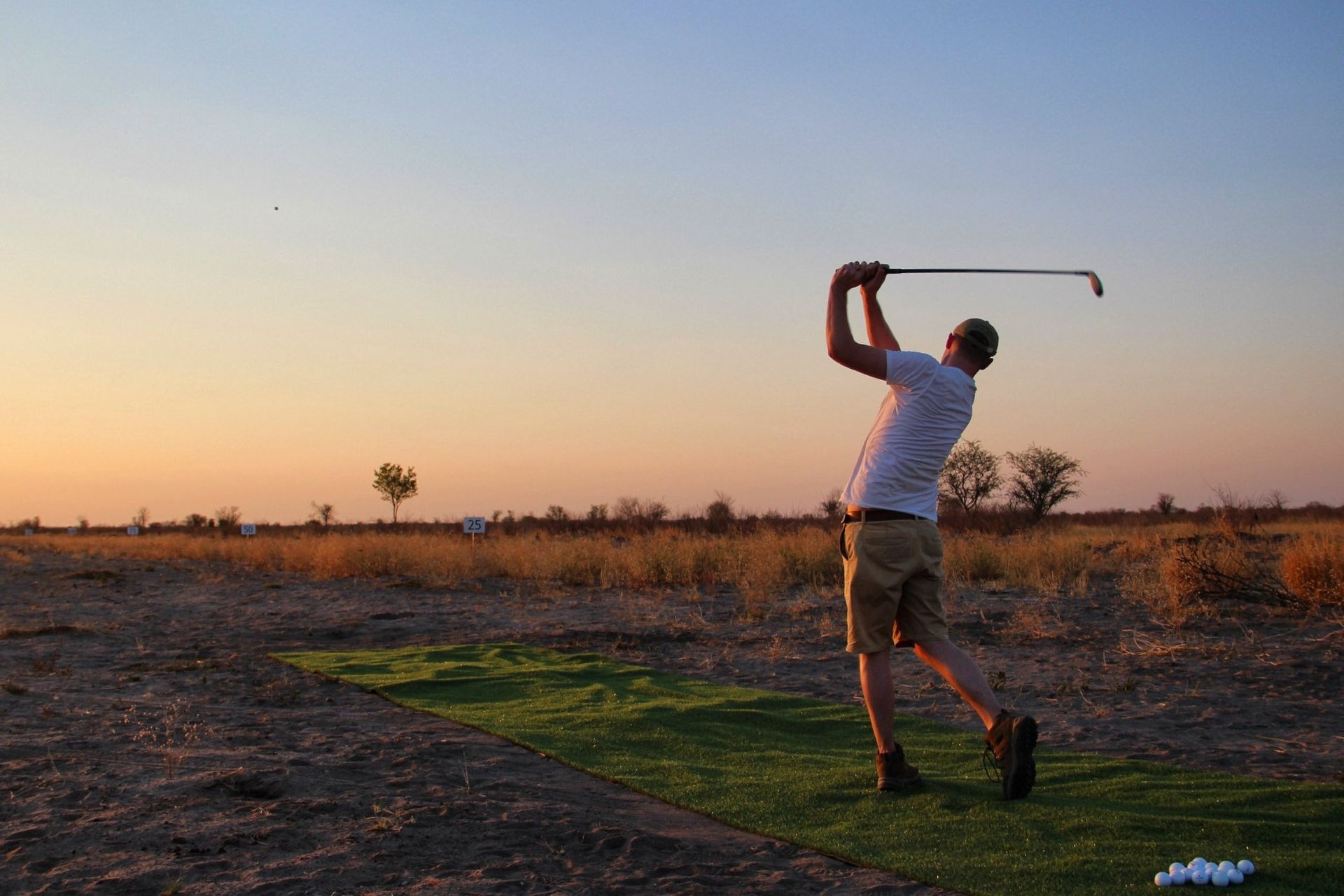
Feline Fields Lodge sits in western Botswana in a stretch of ancient sand country that most family safari planners overlook entirely, which is their loss and your advantage. It isn't the Africa of the brochures, the vast plains and the thundering herds and the obvious grandeur that announces itself from the moment the plane door opens. It's quieter than that, stranger than that, and considerably more interesting than that, and it has a quality that the great showpiece destinations rarely manage: it slows a group down. All of them, simultaneously, without anyone having to suggest it.
It may not be the safari you'd expect, but the Kalahari is nonetheless magical, working on people at a pace they don't anticipate. The grandfather who spent the flight out catching up on emails finds himself spending 45 minutes at the waterhole watching a brown hyena work the perimeter and not once thinking about his phone. The teenagers who arrived suspicious of anything without wi-fi are, by the second morning, arguing over the binoculars. The children, who have the great advantage of not yet knowing what they're supposed to find impressive, find everything impressive, and their enthusiasm has a way of recalibrating the adults around them in ways that no itinerary could engineer.
A lodge that thinks in generations
Feline Fields Lodge was not designed with the generic family in mind, it was designed by a family with its very own needs and as a result delivers the right amount of space and privacy that fit the particular dynamics of a family group, which is a meaningfully different thing.
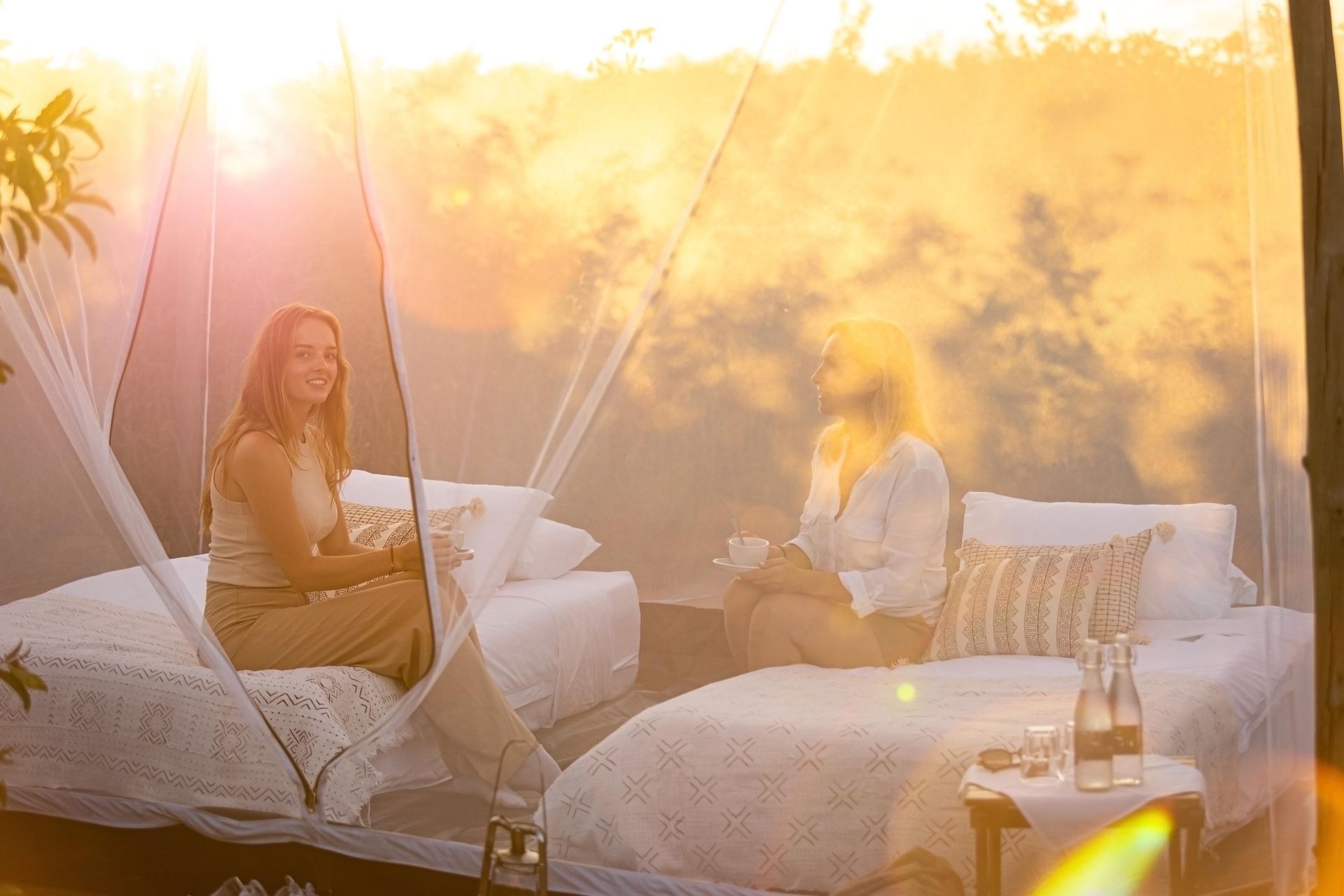
The accommodation spreads across Pool Suites, Bush Suites and the Family Villa, which means that different members of the group can settle into different degrees of proximity to the main area, the sounds of the night and each other. The grandparents who prefer an early evening and a comfortable chair close to the main area have it. The young families who need their own contained space have it. The cousins who want to fall asleep to the sound of something large moving in the dark outside their tent have, arguably, the best deal of all.
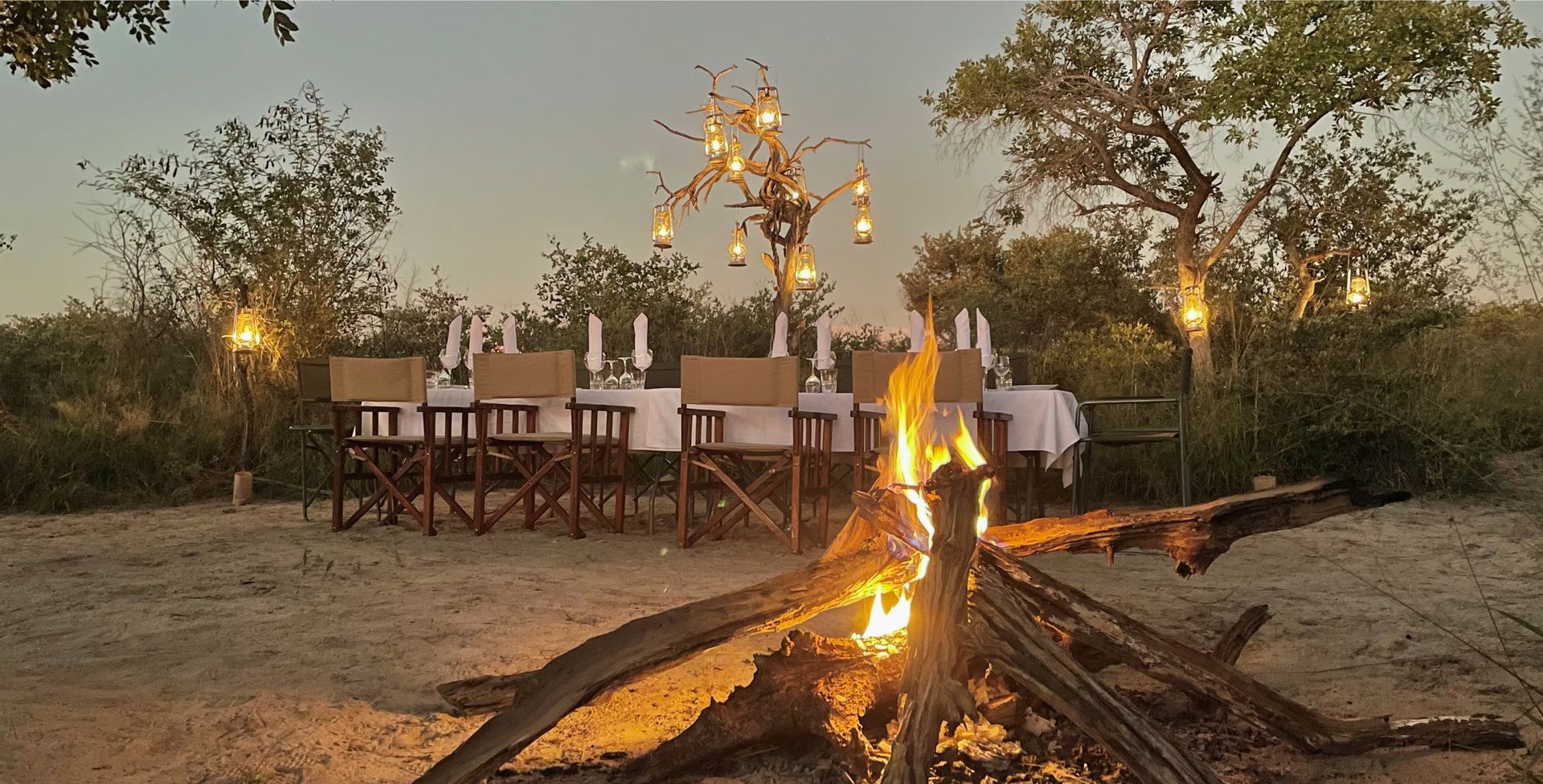
What binds them is the communal space, and Feline Fields Lodge is exceptionally good at this. The fire pit in particular does something to a group that dining tables and sitting rooms at home rarely manage: it gathers people without agenda, in the dark, under a sky that has no competition from artificial light for hundreds of kilometres in any direction, and it keeps them there long past the hour when anyone intended to stay up.
The activities that work across every age
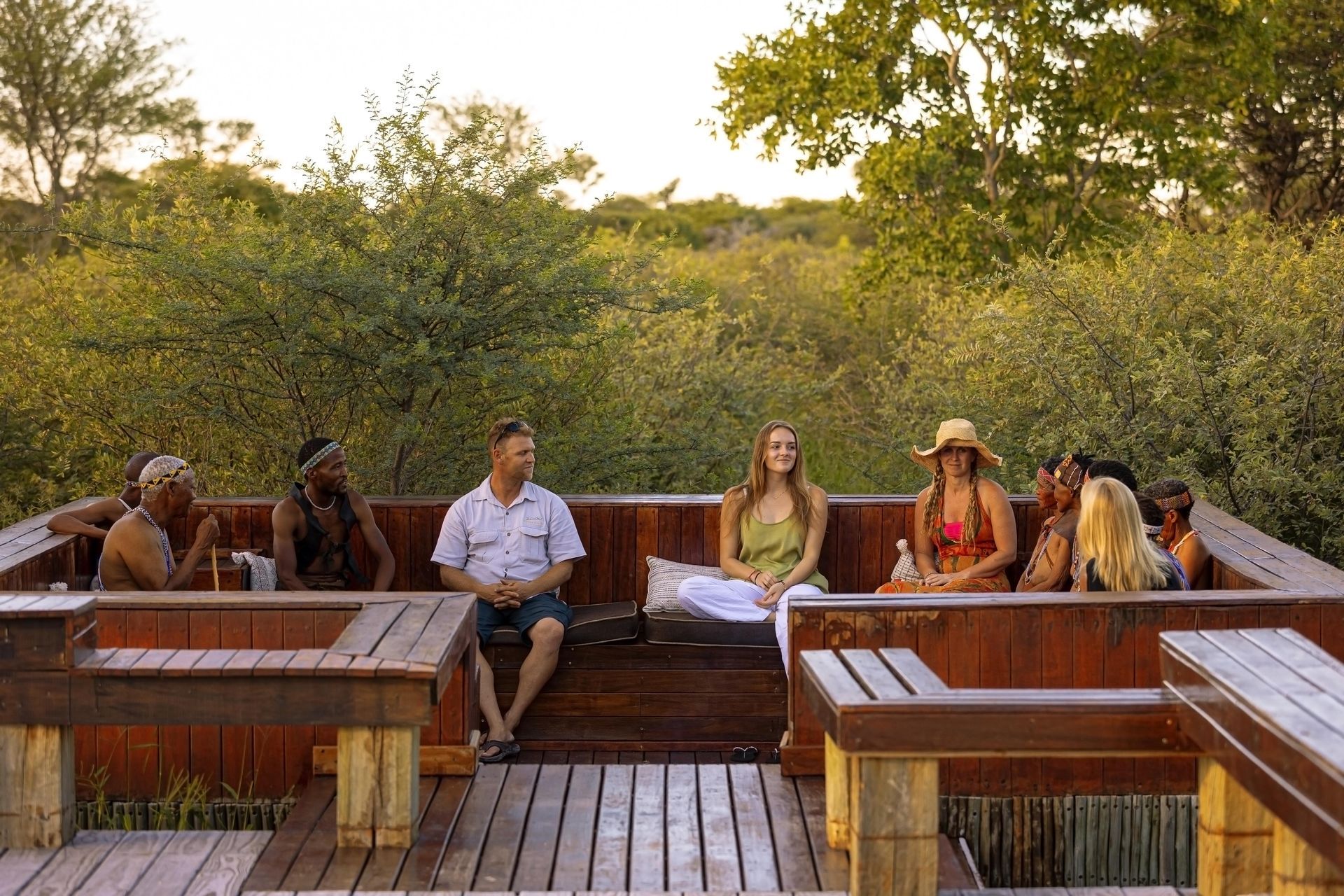
Spending time with the Ju/'hoansi is one of those rare things in travel that lands differently at every age and meaningfully at all of them. The children absorb the tracking demonstrations and the plant knowledge with an unselfconscious openness that adults spend years trying to recover.
The teenagers, who would rather not admit to being moved by anything, are moved by it. The older guests tend to find it quietly philosophical, a reminder of how much human knowledge can be held in a landscape by people who've never needed to write any of it down.
It's the kind of encounter that generates conversation around the fire for the rest of the stay, and conversation of a quality that surprises everyone.
The waterhole is the lodge's constant, and its genius as a family destination lies partly in its passivity. It asks nothing of anyone but simply performs, reliably and often spectacularly, in front of whoever happens to be watching. An elephant arriving to drink at dusk produces the same collective held breath in a group of 12 as it does in a group of two, but in a family, that shared moment carries an additional charge.
Everyone at the waterhole knew each other before the sighting but now they share something else, something that belongs to all of them simultaneously and to none of them individually, fixed in the same moment, under the same sky.
For the younger guests, giraffes Sophie, Emma, Lucius and Melman add a dimension that goes beyond the conventional safari experience. The four young giraffe currently in the boma at Feline Fields Lodge, being carefully prepared for release into the open Kalahari, represent a conservation story that children engage with instinctively and adults find genuinely affecting. Understanding the years of permitting and planning and infrastructure investment behind their arrival, and the role that Feline Fields Lodge has played in the ecological recovery of this particular stretch of Kalahari, gives a stay a layer of meaning that outlasts the holiday itself.
Yours entirely
And then there's the question of exclusivity, which in the context of family travel isn't a luxury consideration so much as a practical one. The Feline Fields Exclusive Retreat takes the lodge off the market entirely for your group, which means that breakfast happens when your group is ready for it, activities take place when everyone's ready, and the rhythm of every day is determined by the collective mood rather than a shared timetable with strangers.
From US$90,000 for a minimum five-night stay, accommodating up to 16 adults and six children under 14, it reframes the lodge as something closer to a very beautiful, very remote private home in the Kalahari, with a waterhole out front and a team entirely devoted to making whatever your group needs happen.
It's the kind of trip that milestone occasions deserve, and the kind that has a long life as a story. Long after the holiday ends, someone in the group will mention the honey badger that investigated the undergrowth outside their room with magnificent indifference to everyone's opinion, or the morning the children spotted something at the waterhole before any of the adults did. The Kalahari has a way of producing these moments and then making sure that everyone present remembers exactly who they were with when it happened. That, for a family, is the whole point.