The Kalahari is not a desert
And Feline Fields Lodge is here to prove it
Somebody, at some point, made a decision about the Kalahari that has been causing problems ever since. They called it a desert. The word stuck, the way lazy words do, and it has been doing the Kalahari a quiet injustice for as long as anyone can remember. Come to Feline Fields Lodge with that word still in your head and the landscape will dismantle it, gently but thoroughly, over the course of a single afternoon. Here's why...
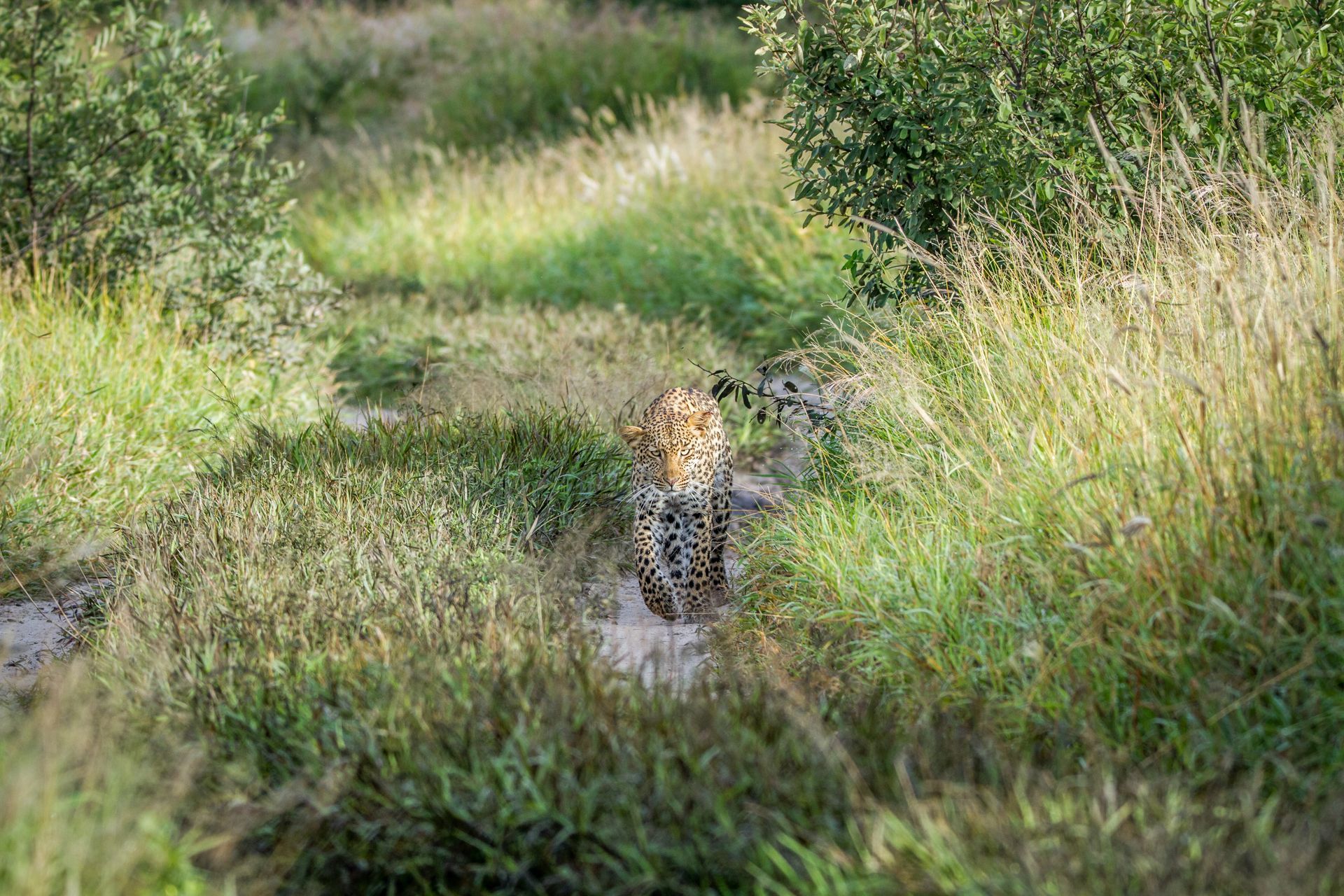
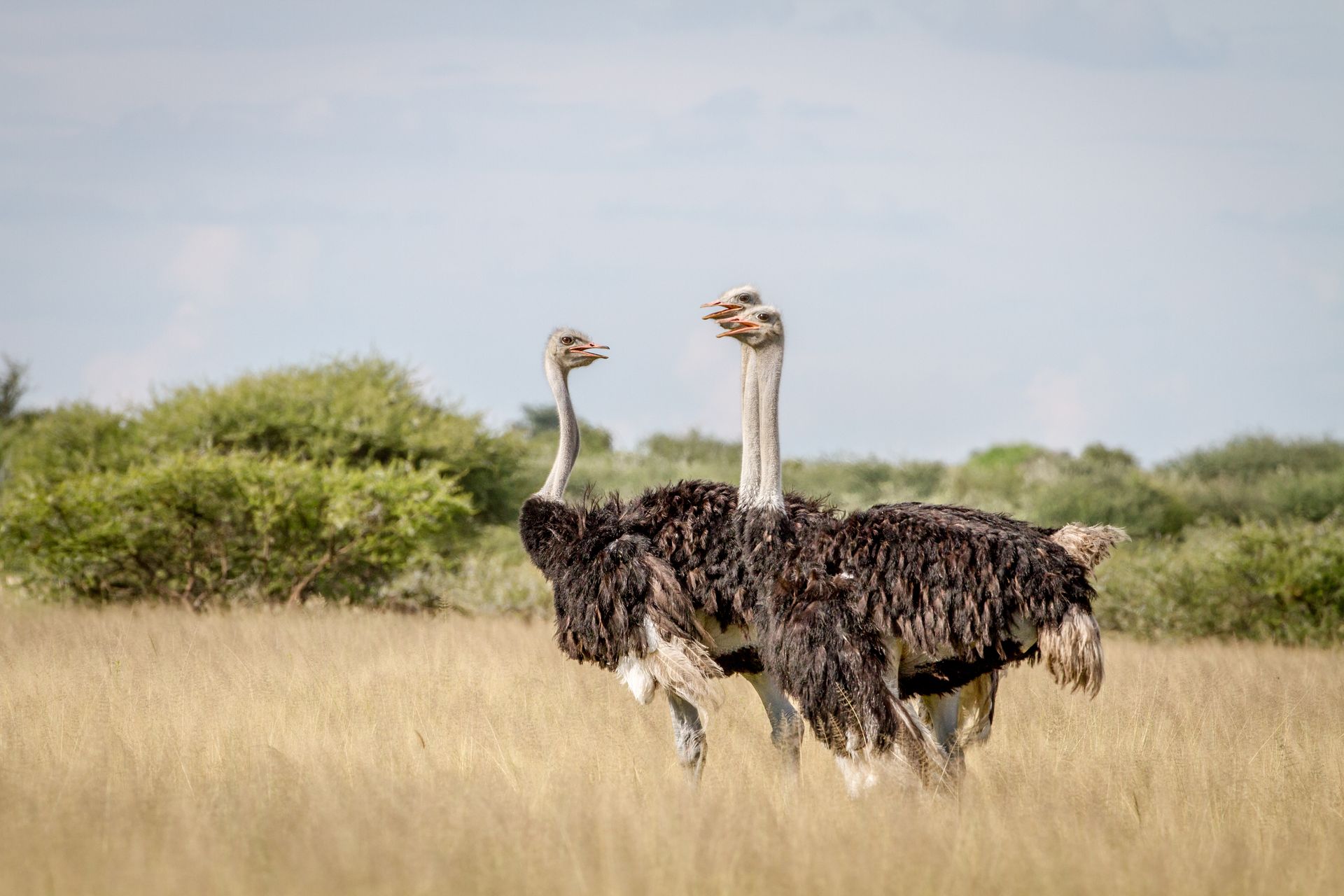
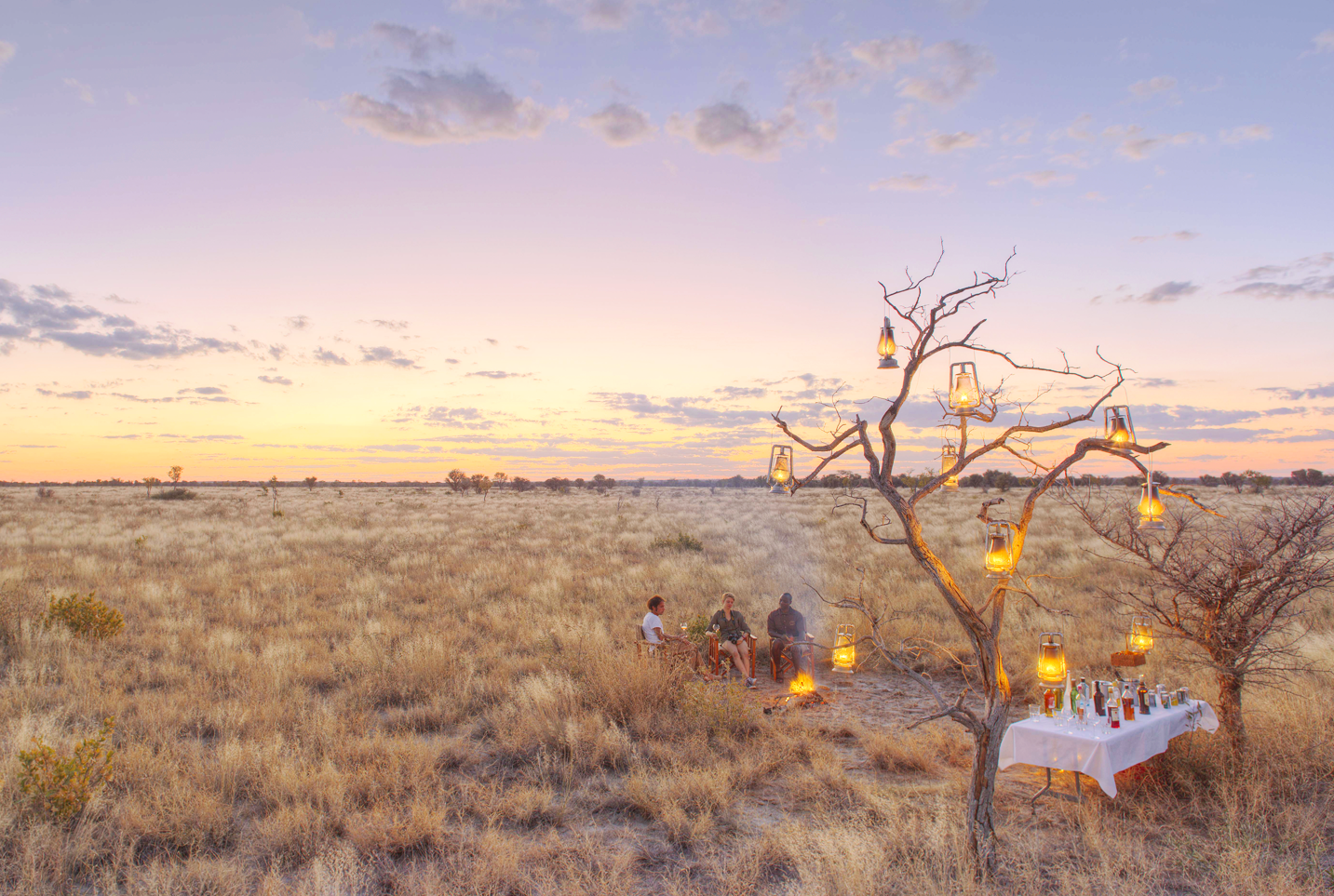
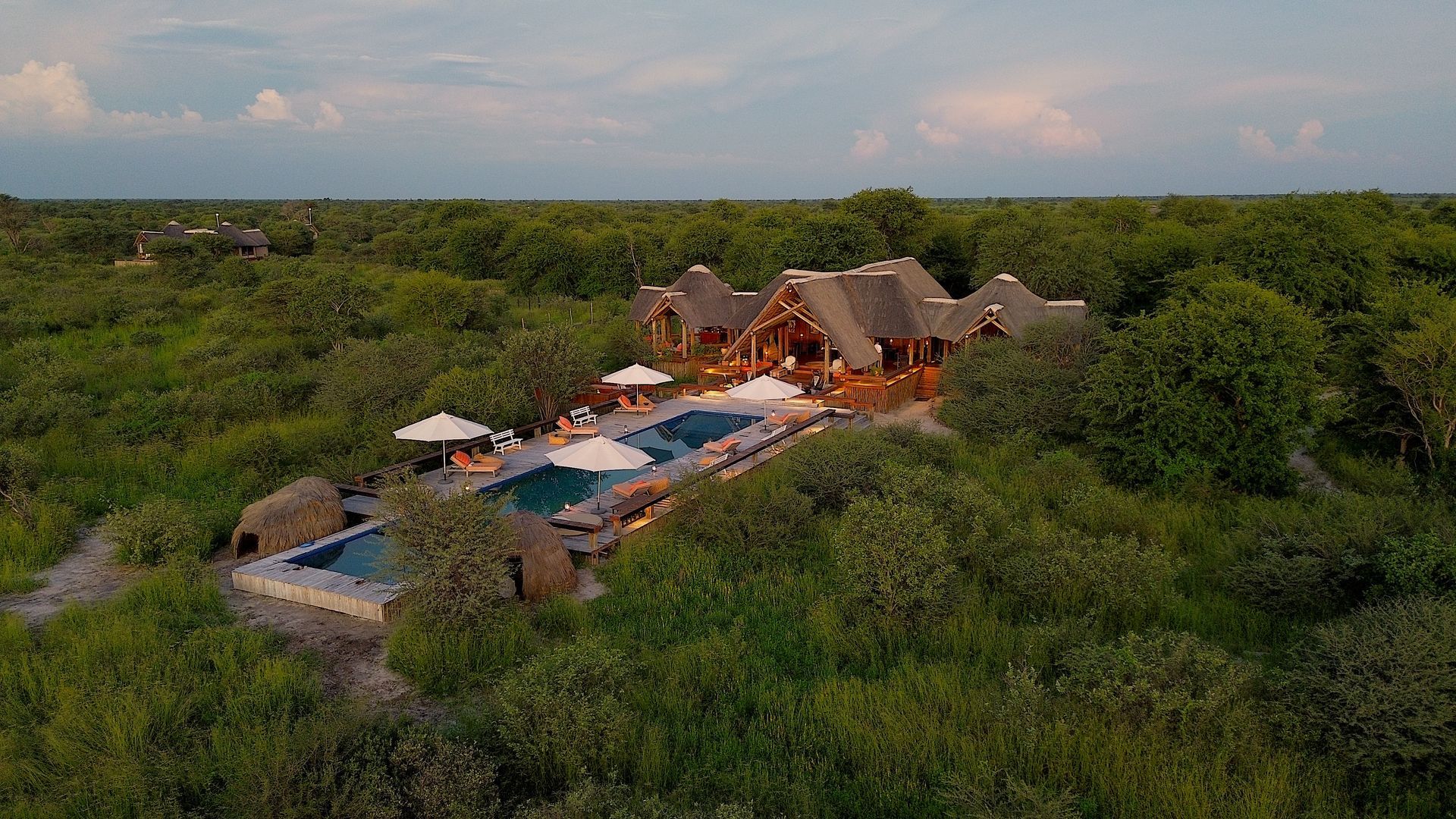
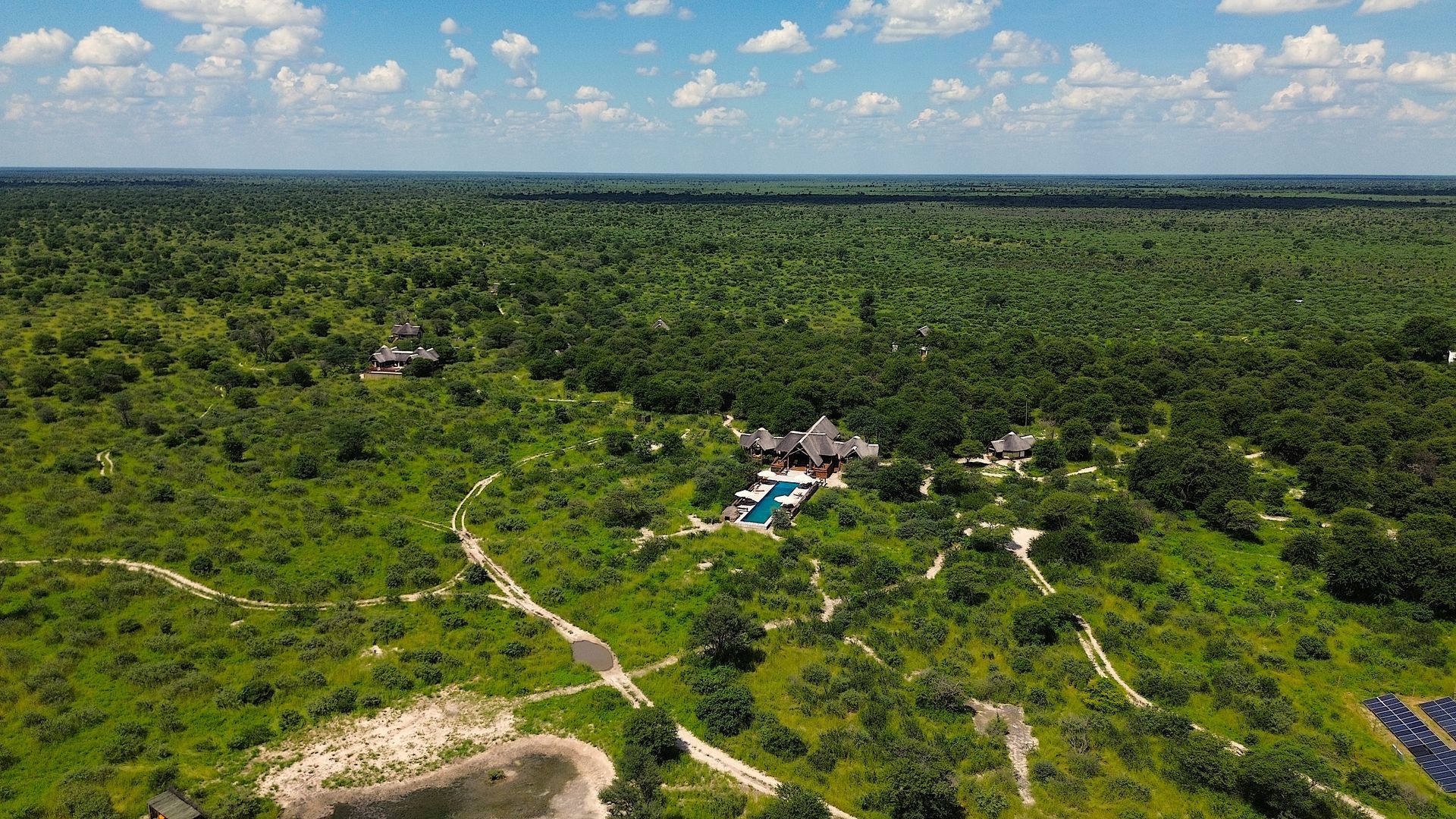
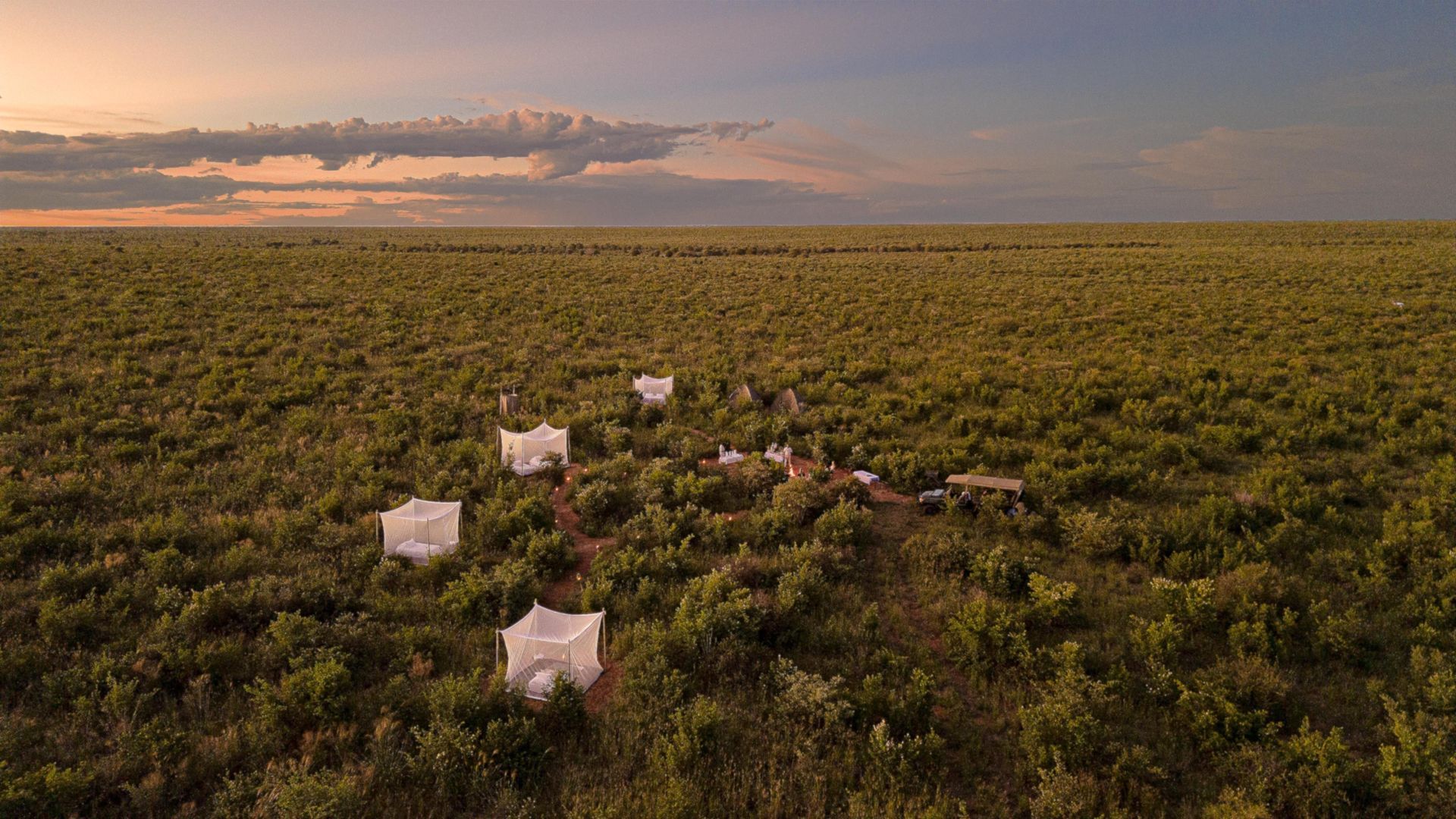
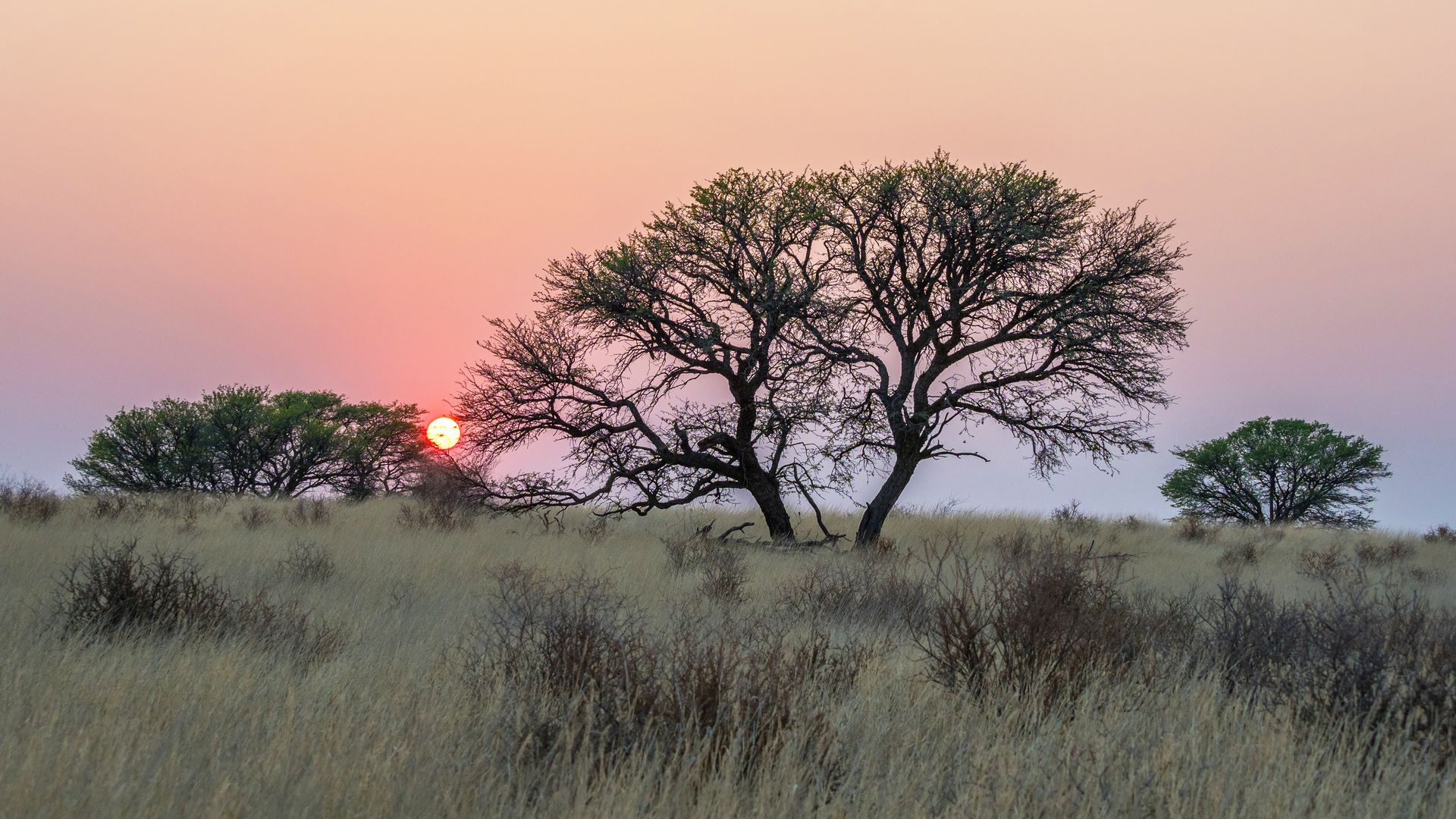
The Kalahari is the largest continuous sand system on earth, an ancient fossil basin of deep, wind-deposited sands that stretches across parts of eight countries and has been quietly accumulating for millions of years. Almost none of it looks the way the word desert insists it should. The sands are clothed in acacia and shepherd's tree and wild raisin, in grass that turns tawny and luminous in the dry season light, in a layered, intricate, breathing vegetation that supports a wildlife community of remarkable density and variety. What the Kalahari lacks isn't life. It's surface water, and that distinction, once you understand it, changes everything about how you read this place.
Rain falls here, sometimes generously. But the ancient sands absorb every drop before it can gather into rivers or pools, drawing moisture deep below the surface and giving nothing back. The result is a landscape that is technically semi-arid, alive with grasses and trees and insects and birds and animals that have spent millions of years developing extraordinary strategies for finding and conserving water, but that offers almost nothing to drink at the surface.
For wildlife, permanent water in the Kalahari isn't a convenience. It's the difference between presence and absence, between a landscape teeming with life and one that only whispers of it.
The waterhole that changed everything
This is the context in which the permanent waterhole at Feline Fields Lodge needs to be understood, because it isn't an amenity in any conventional sense. It's an ecological lifeline, and the story of how it came to exist is inseparable from the story of the lodge itself. When Feline Fields Lodge was established in 2012, the surrounding landscape was quiet in ways that went beyond the natural reticence of the Kalahari. Wildlife was sparse and birdlife was thin at best. The team drilled seven boreholes in search of water and found salt water in every one.
Undeterred, they drilled again, 15km away, and this time found sweet water. A pipeline was laid across the sand, and with permanent water came something that felt, to those watching it unfold, like a kind of miracle: gradual, extraordinary ecological recovery. Kudu arrived first. Then leopard, moving through with the unhurried proprietorial confidence of a predator that knows it's found something worth staying for. Then painted wolves (African wild dogs), captured on trail camera at the waterhole in footage that still stops the team in their tracks. The landscape hadn't been empty. It had simply been waiting.
Watching the waterhole from the lodge in the late afternoon, a cold drink in hand and the Kalahari light going gold across the sand, is to watch that story continue in real time. Every animal that comes to drink is a small vindication of a very large act of faith, and the cumulative effect of a few days in its company is a recalibration of what the word wilderness actually means.
After dark, the cast changes
The waterhole performs differently once the sun goes down, and guests who resist the pull of an early night quickly discover that the daytime cast is only half the story. Brown hyena move through with a rangy, unhurried authority that the more familiar spotted hyena rarely projects, their long forelegs giving them a rocking, purposeful gait that looks prehistoric and probably is.
Civets and genets work the shadows with extraordinary precision. Honey badgers arrive with the magnificent indifference to consequences that has made them famous, investigating everything and yielding to nothing, apparently unaware that any other animal in the vicinity might have an opinion worth considering.
The elephant that visit periodically are drawn specifically by the water, and there's something about watching an elephant drink in the Kalahari night, under a sky that has no competition from artificial light for hundreds of kilometres in any direction, that recalibrates a person's sense of scale and silence in ways that are genuinely difficult to put into words. You try, on the way home. You find that you can't, quite, and that this feels appropriate.
The silence that isn't
The Kalahari has a reputation for silence and it's not entirely undeserved. There are moments, particularly in the deep middle hours of the night, when the stillness is so complete that it feels almost physical, something you could reach out and touch. But once your ears adjust, the silence turns out to be layered and alive in ways you didn't anticipate.
Nightjars, the distant whoop of a spotted hyena carrying improbable distances across the flat, open sand, the rustle of something small and purposeful in the grass beyond the firelight. These are all hallmarks of the Kalahari under cover of darkness. Add the occasional, startling intimacy of a leopard coughing somewhere in the dark, close enough to make the fire feel less like atmosphere and more like necessity.
This is the Kalahari that Feline Fields Lodge was built around, and the dry season, from May through September, is when it shows itself most generously to those willing to pay attention. The vegetation thins, the grasses pull back, and the waterhole becomes an increasingly irresistible draw for every creature within range.
The nights are cold enough to make the fire feel like a gift and the stars feel like a reward. The days carry a crystalline quality of light that arrives with the dry season and disappears with the first rains, and that photographers and non-photographers alike find themselves trying to photograph anyway, knowing even as they raise the camera that it won't quite come out right.
It's not a desert and it never was. And from the vantage point of Feline Fields Lodge, with the Kalahari night settling in around you and something large and unhurried moving at the edge of the waterhole light, that particular truth requires no further argument.