
A place defined by water and time
Discover the magic of Khwai with Feline Fields
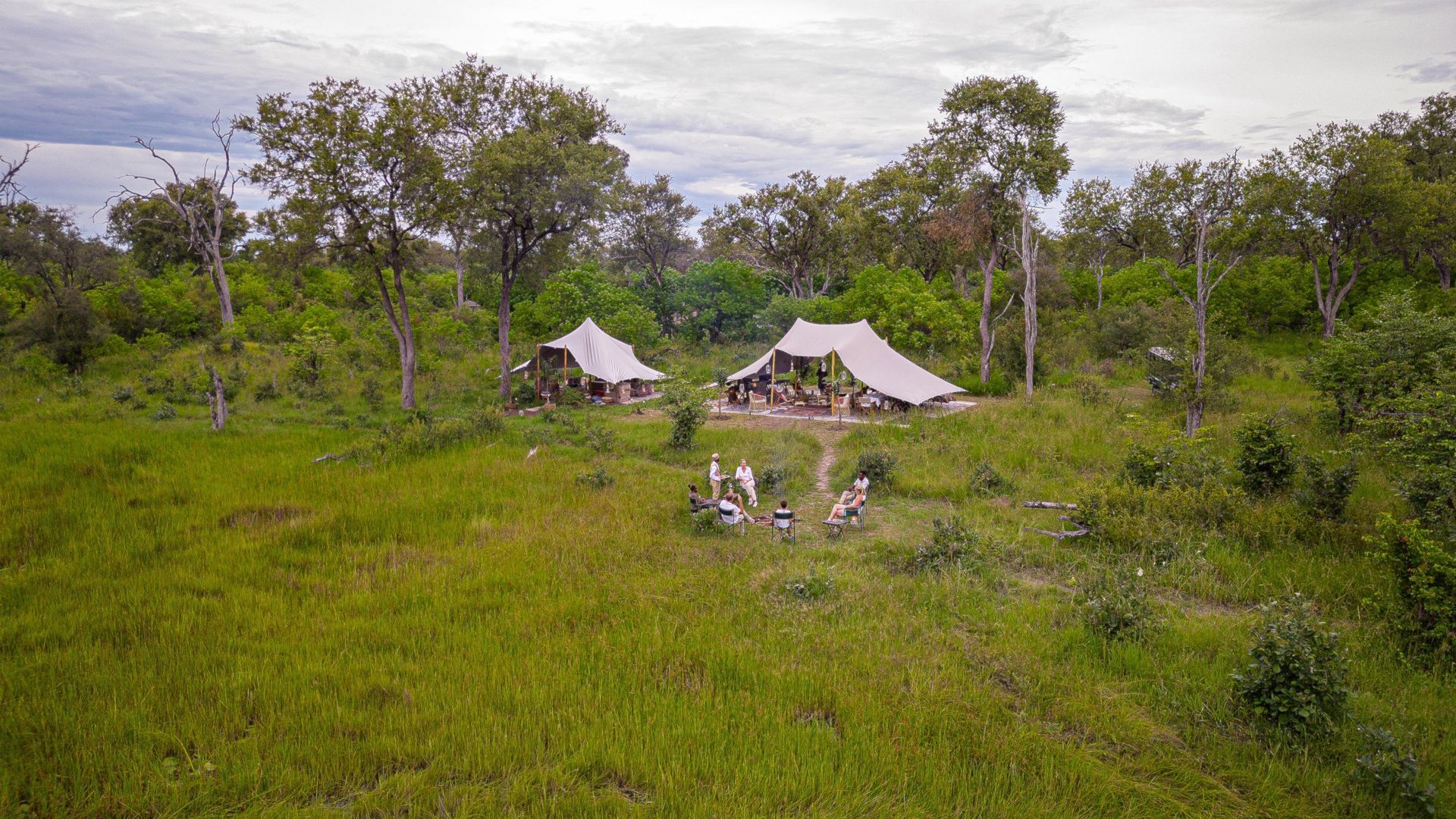
The Khwai Community Reserve is one of Botswana’s true gems, a place where the wilderness feels intimate, yet vast enough to stretch beyond the horizon. It's a land defined not by human lines, but by the patterns of water and earth, by channels that ripple with life and by floodplains that shift with the seasons. Here, Feline Fields Vintage Camp sits quietly on the Mbudi Channel, a permanent waterway that threads through the reserve, providing both a lifeline for wildlife and a mirror to the sky, where guests step into a landscape that has been alive long before the first tracks of safari vehicles pressed into its sand...
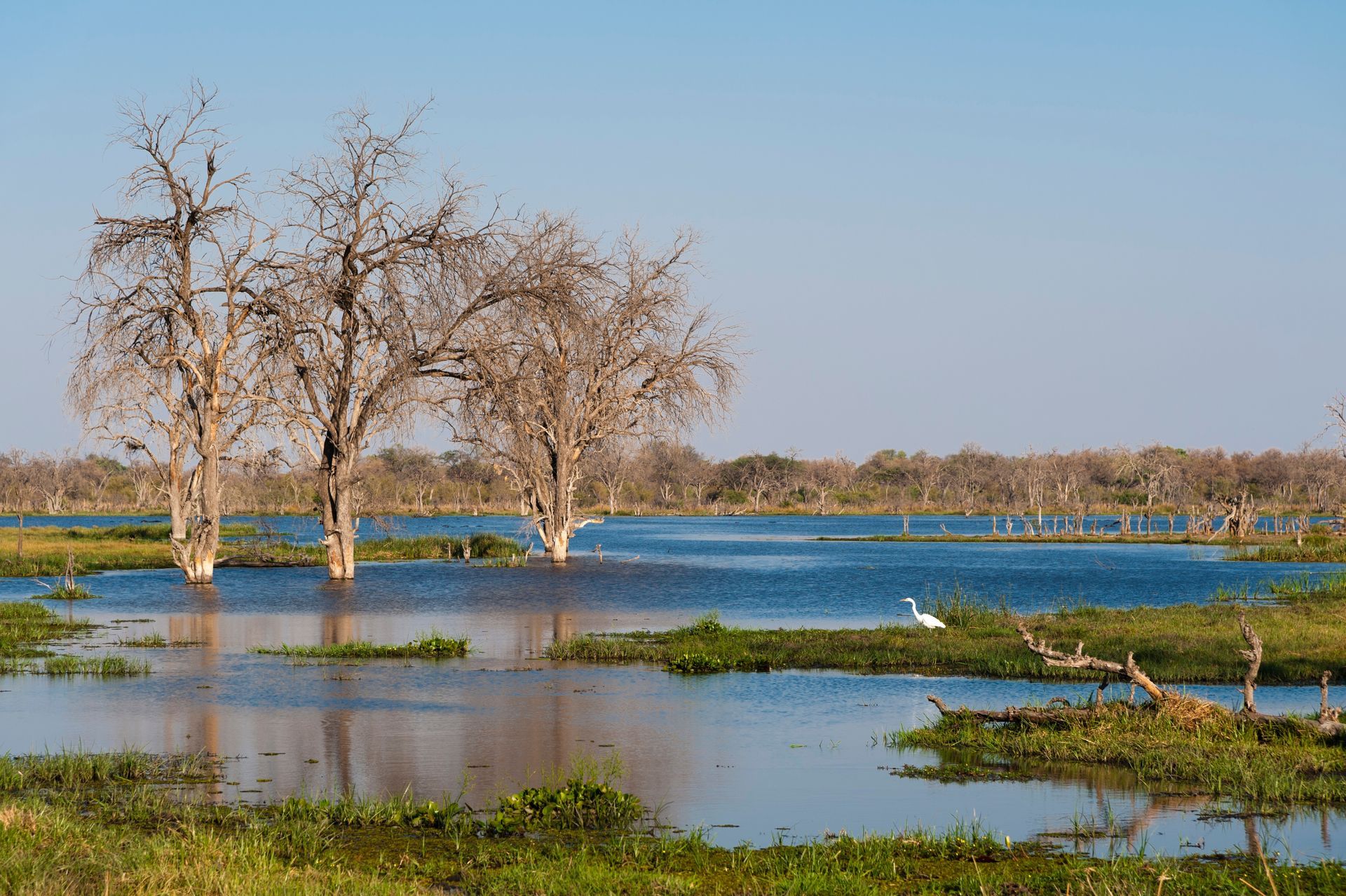
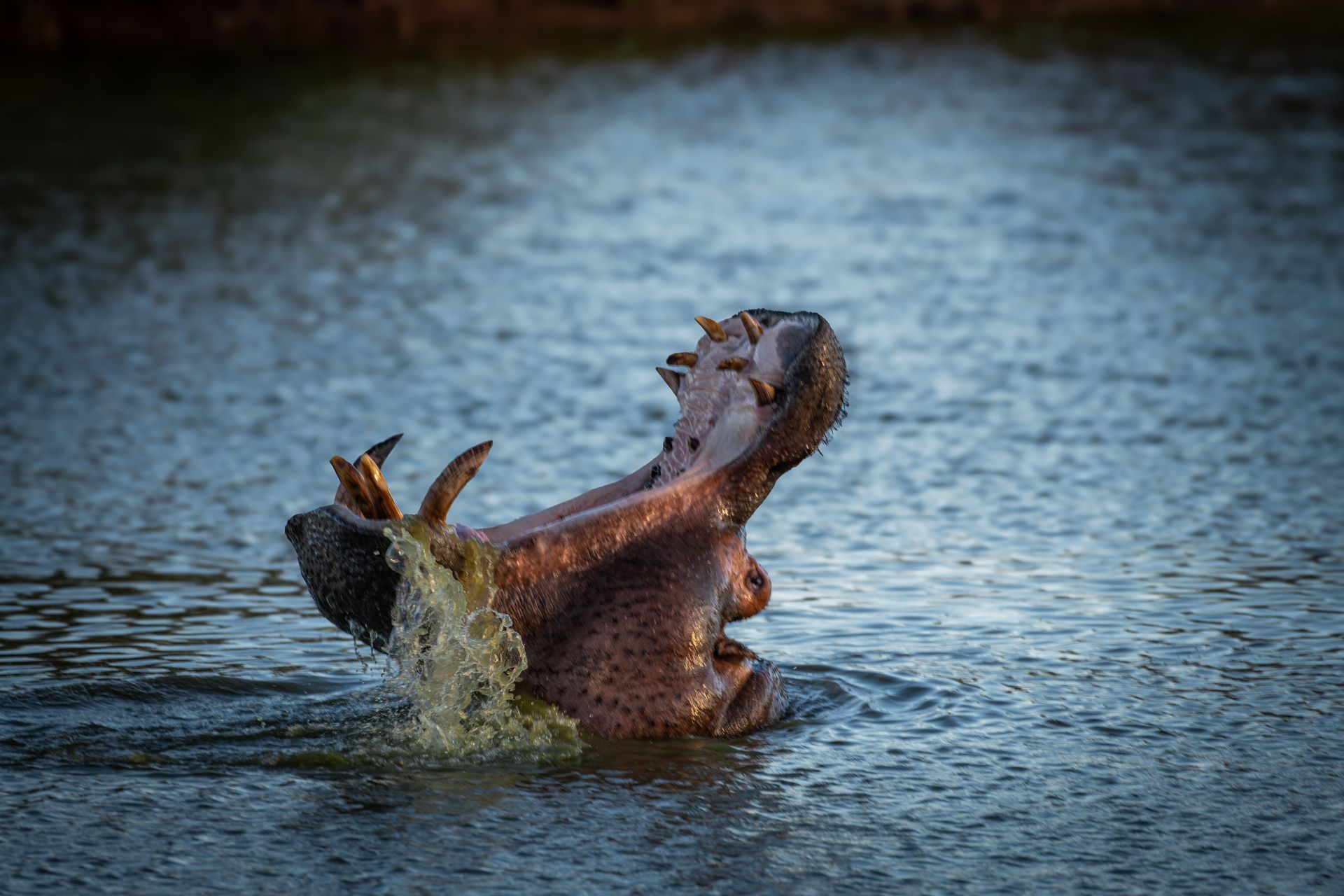
Morning begins gently at Feline Fields Vintage Camp. A soft mist often rises from the Mbudi Channel and folds over the riverine woodland, softening the shapes of trees and reeds. Hippos return to their lagoons to laze, ears twitching, nostrils flaring, and the occasional grunt punctuating the stillness. Waterbirds are already on the move, gliding along the channel or perched at its edges, calling to one another in a language that's both immediate and enigmatic.
On their short walk from their tents to morning coffee in the lounge, guests often pause at the edge of camp to take it all in. The staff point out the subtle signs that reveal more than the eye can see. Tiny footprints in soft mud hint at nocturnal visitors, broken reeds show where animals have crossed unseen, and the angle of light tells a story of the day ahead.
Walking or driving along the surrounding floodplains in these early hours is a lesson in patience and observation. Large herds of buffalo graze quietly, moving in a slow, deliberate rhythm that is mirrored by the smaller antelope nearby. Red lechwe, distinctive with their reddish-brown coats and elegant, angled horns, favour the edges of the channel where water meets grass. You may even spot a shy sitatunga standing almost motionless in the reeds, its presence betrayed only by the ripple of water as it shifts position.
Every turn of the vehicle or step on the sand brings something new into focus, and the Mbudi Channel provides a constant backdrop. Its gently flowing waters reflect the movement of the sky and the shapes of trees while also dictating where animals congregate and how they behave.
Beyond the water’s edge, the reserve unfolds into a mosaic of habitats. Riverine woodland gives way to open floodplains where grasses sway in the breeze, and these merge into thicker patches of mopane and acacia that characterise the Khwai scrublands. Each habitat supports different species and offers different opportunities for observation.
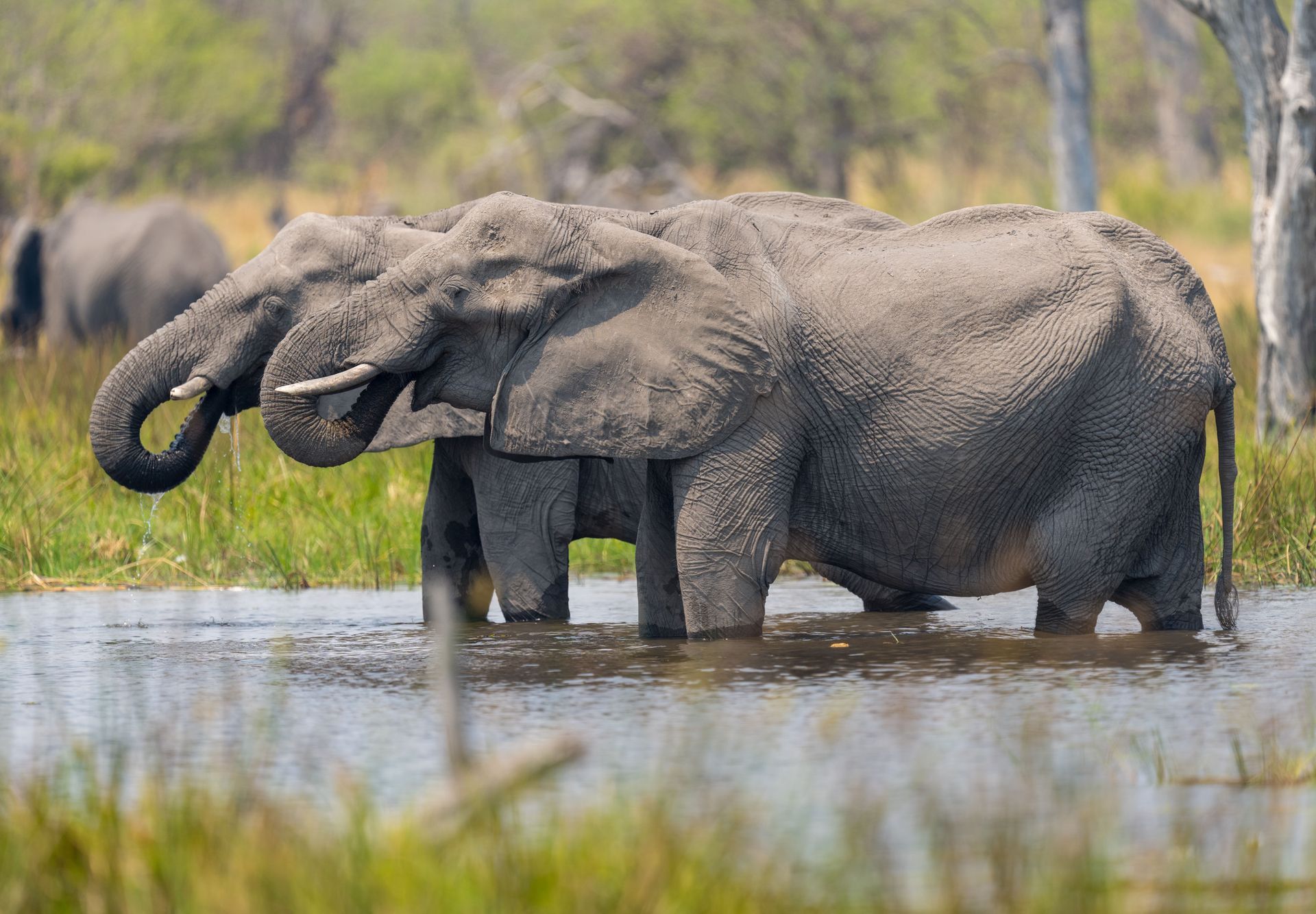
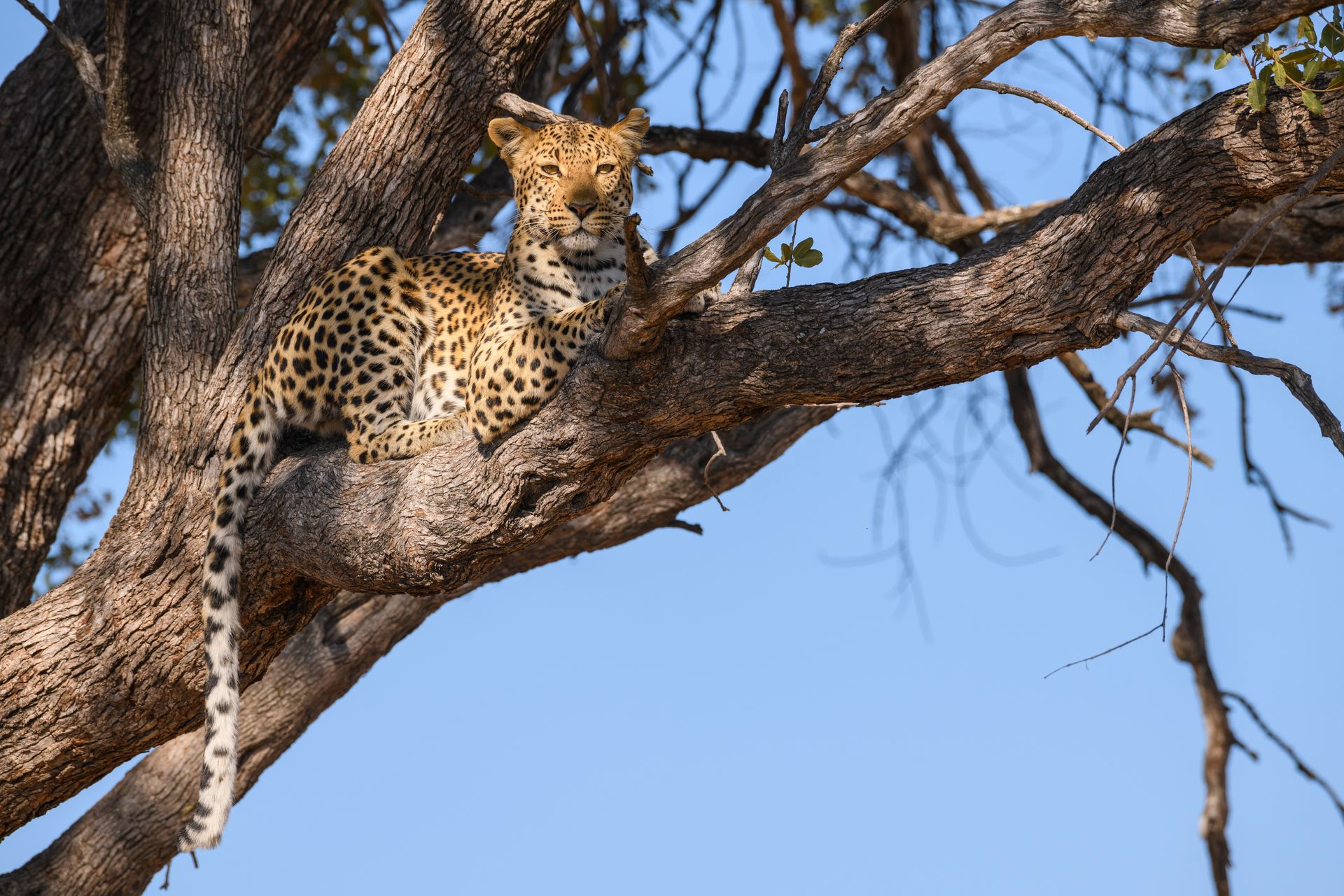
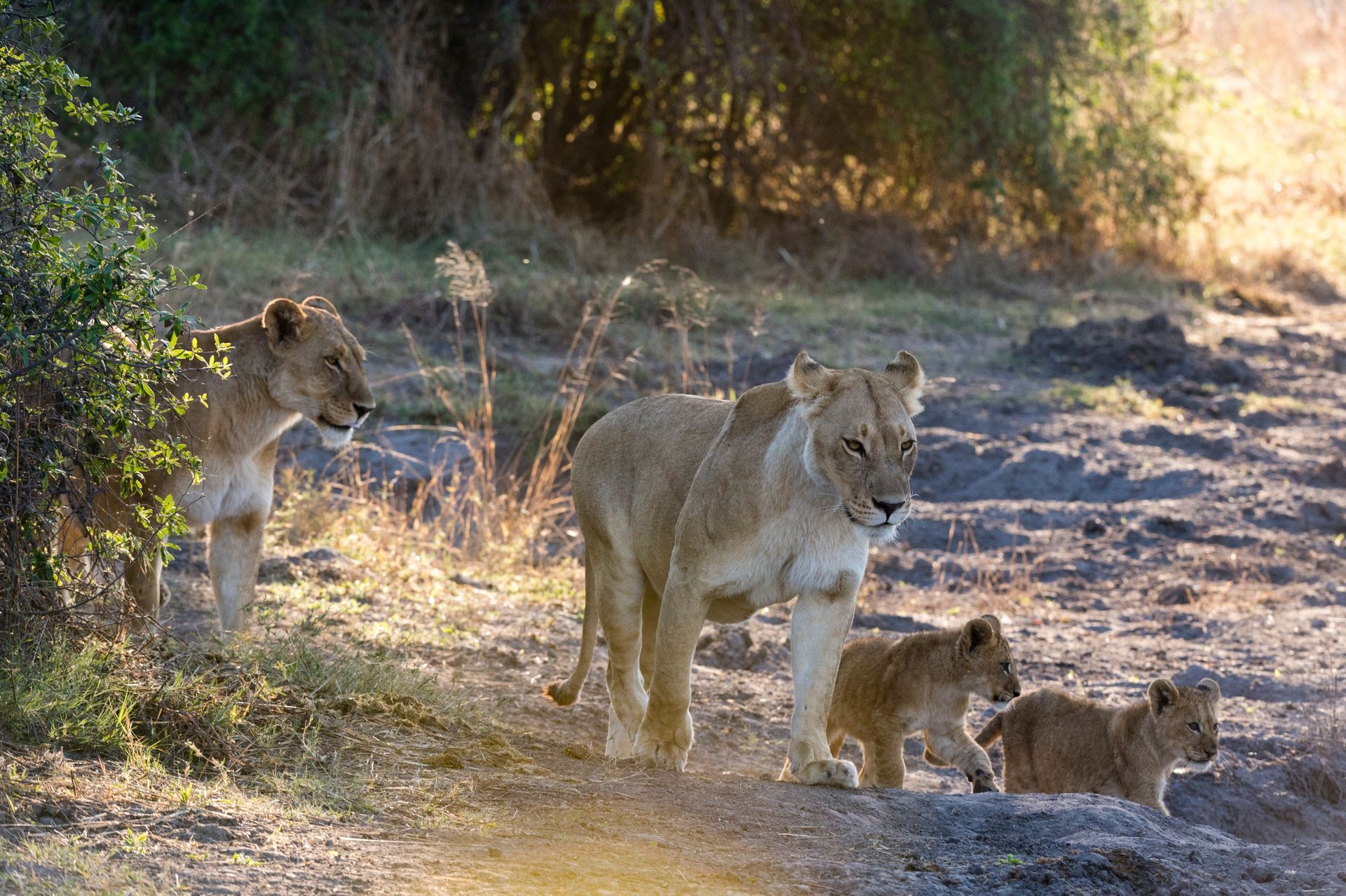
Lions often patrol the woodland edges, their golden coats blending seamlessly with grasses, while leopards favour the more intricate cover of thickets and riparian forest. Elephants move slowly across the floodplain, ears flapping, trunks curling around the grass and young shoots, leaving behind enormous footprints and a trail of broken vegetation. Guides teach guests how to read these signs, explaining the rhythms of the land and the way that seasonal water shapes behaviour across the reserve.
The Khwai Community Reserve is more than a collection of habitats and species. It is a community in the truest sense, where conservation, local livelihoods and wildlife coexist. The reserve carries a layered human history. The BaBukakhwe people, known as the River Bushmen, lived in Khwai for generations, following a traditional hunting and gathering lifestyle. Life was shaped by the rhythms of the land, the availability of water, and the movement of animals.
When the Moremi Game Reserve was established in the 1960s, many Khwai villagers were displaced and relocated to what would become the Khwai Concession. It was a challenging transition, but the community eventually embraced a new way of living in harmony with the wildlife around them.
The Khwai Community Concession is one of the most rewarding areas for immersive wildlife experiences and is managed by the Khwai Community Trust, a model of community-based natural resource management. Ownership and management rights are held by the local community, and tourism revenue directly benefits its members. What was once a hunting concession has transformed into a sanctuary for photographic safaris, with wildlife able to move freely across unfenced borders into Moremi Game Reserve and, ultimately, Chobe National Park.
Camps here operate in harmony with the land, taking care to minimise footprints and impact, being managed sustainably, with daily routines that follow the natural patterns of light and movement rather than imposing rigid schedules. Guests notice this, sometimes without consciously registering it. There is a calmness to the experience that comes from being in a place where life has been unfolding on its own terms for centuries.
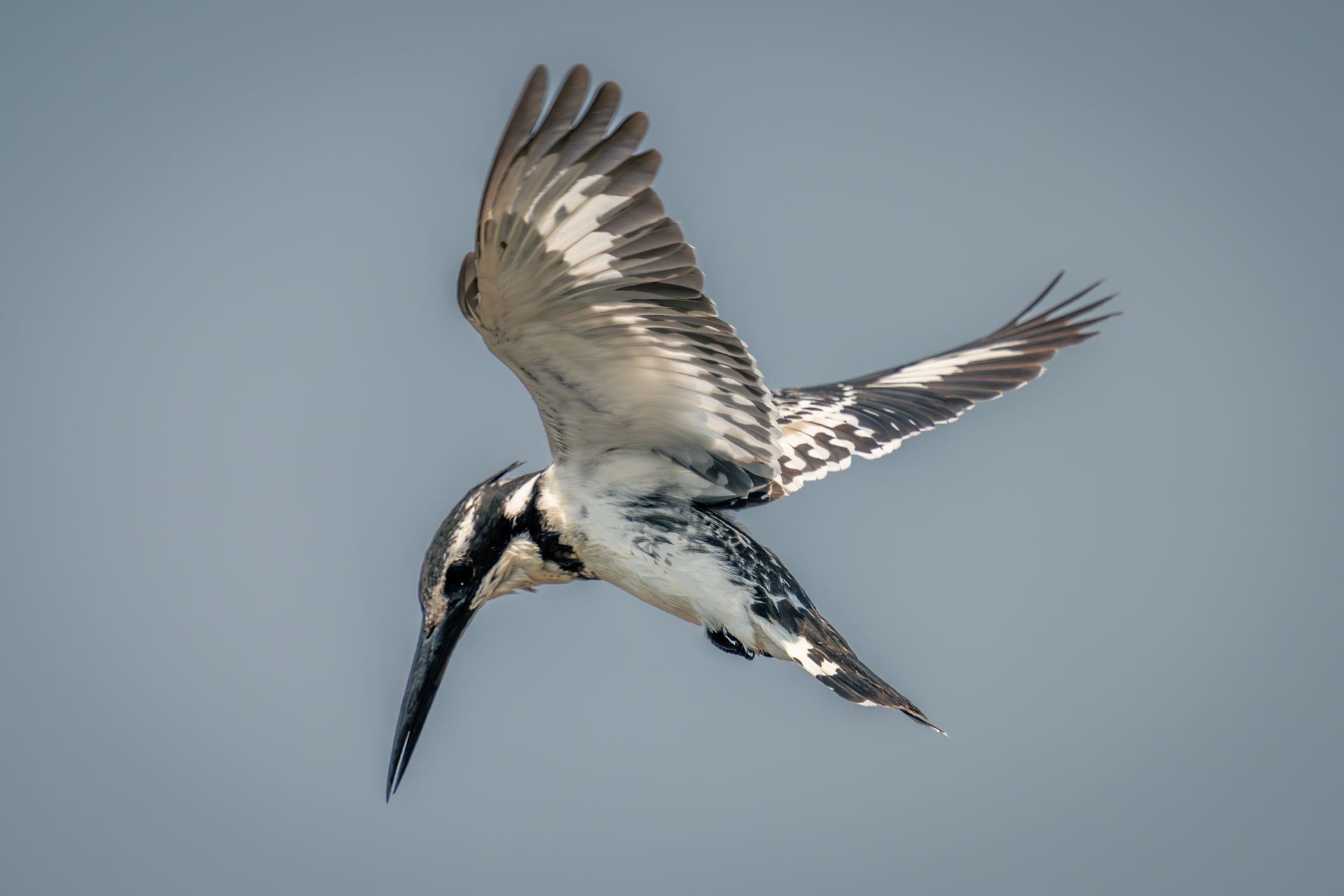
Observing the small details can be as rewarding as witnessing the large. Birds, for example, provide a continuous soundtrack to life on the Mbudi. Malachite kingfishers flash along the channel banks, pied kingfishers hover with pinpoint precision before plunging into the water, and African fish eagles call out from the treetops, their cry echoing across the floodplain. Tracks tell stories too. The marks of a civet crossing the soft sand, the tiny paws of a genet, the rounded impressions of a hippo leaving the water at night. Our guides show our guests how to follow these signs, offering glimpses into the lives of animals that are often rarely seen but always present.
As the sun climbs, the pace of life shifts. Shadows lengthen and fade, water ripples in response to the breeze, and wildlife adjusts to the warmth. Guests enjoy a leisurely lunch and take the opportunity for a siesta before heading out into the wilds of the reserve once more, pausing for sundowners and quiet reflection, often noticing patterns that repeat day after day — the ebb and flow of water, the cycle of feeding and resting, the subtle interplay between species that reveals the balance of the reserve.
This place is not a stage for dramatic encounters alone. Its power lies in the quiet continuity, in the way life persists and adapts across floodplains, channels, and scrubland. Feline Fields Vintage Camp allows guests to immerse themselves in this living, breathing wilderness. Every sighting, every track, every movement of water and wind contributes to a deeper understanding of the ecosystem. It is a place where observation becomes learning, learning becomes appreciation, and appreciation transforms into a lasting connection to the land.