
Two ecosystems, one extraordinary lens
Feline Fields provides exceptional opportunities for keen photographers
There’s a moment that serious photographers know well. It happens when light, subject, atmosphere and composition align simultaneously, when everything you’ve been waiting for arrives at once and the only thing standing between you and a remarkable image is the presence of mind to make it. At Feline Fields, that moment doesn’t come around once. It comes around repeatedly, in two completely different ecosystems, in two completely different qualities of light, offering two completely different creative worlds.
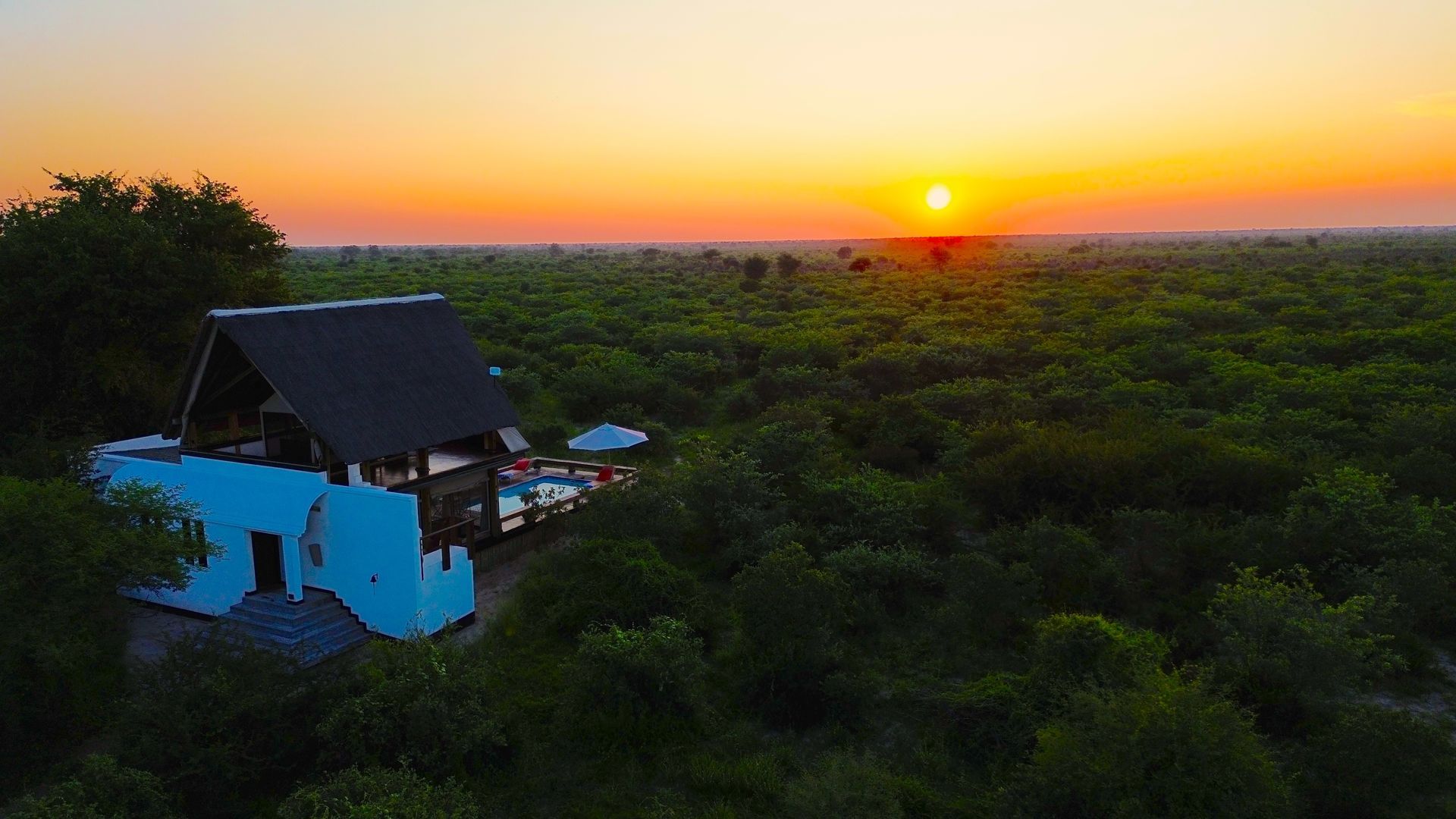
Feline Fields Vintage Camp sits in the Okavango Delta, an endlessly alive landscape of channels, floodplains, reed beds and palm-fringed islands. Feline Fields Lodge lies far to the west, in the open semi-arid savannah of the Kalahari. The contrast between them isn’t merely scenic - for a photographer, it’s transformative and moving between the two, you’re not just changing backdrops, you’re changing everything: the light, the mood, the subjects, the creative vocabulary, the very way you think about a frame.
Wildlife, water and the art of reflection
Feline Fields Vintage Camp is located in one of the finest wildlife photography destinations in the Okavango Delta. The Khwai Community Concession sits alongside the Moremi Game Reserve, and the extraordinary biodiversity of this riverine and floodplain ecosystem means that compelling subjects are never far away. Big game moves freely through the area, undisturbed and unhurried, and the intimate scale of the Khwai and the Mbudi Channel in front of camp means that encounters feel genuinely close and personal.
Water defines the photographic experience here, and water does extraordinary things to light. Mist hangs low over the floodplains in the early morning, producing layered, almost painterly scenes. Reflections double your subjects and add depth to compositions that would be merely good without them. Wildlife interacts constantly with water, which adds movement, energy and atmosphere to almost every frame.
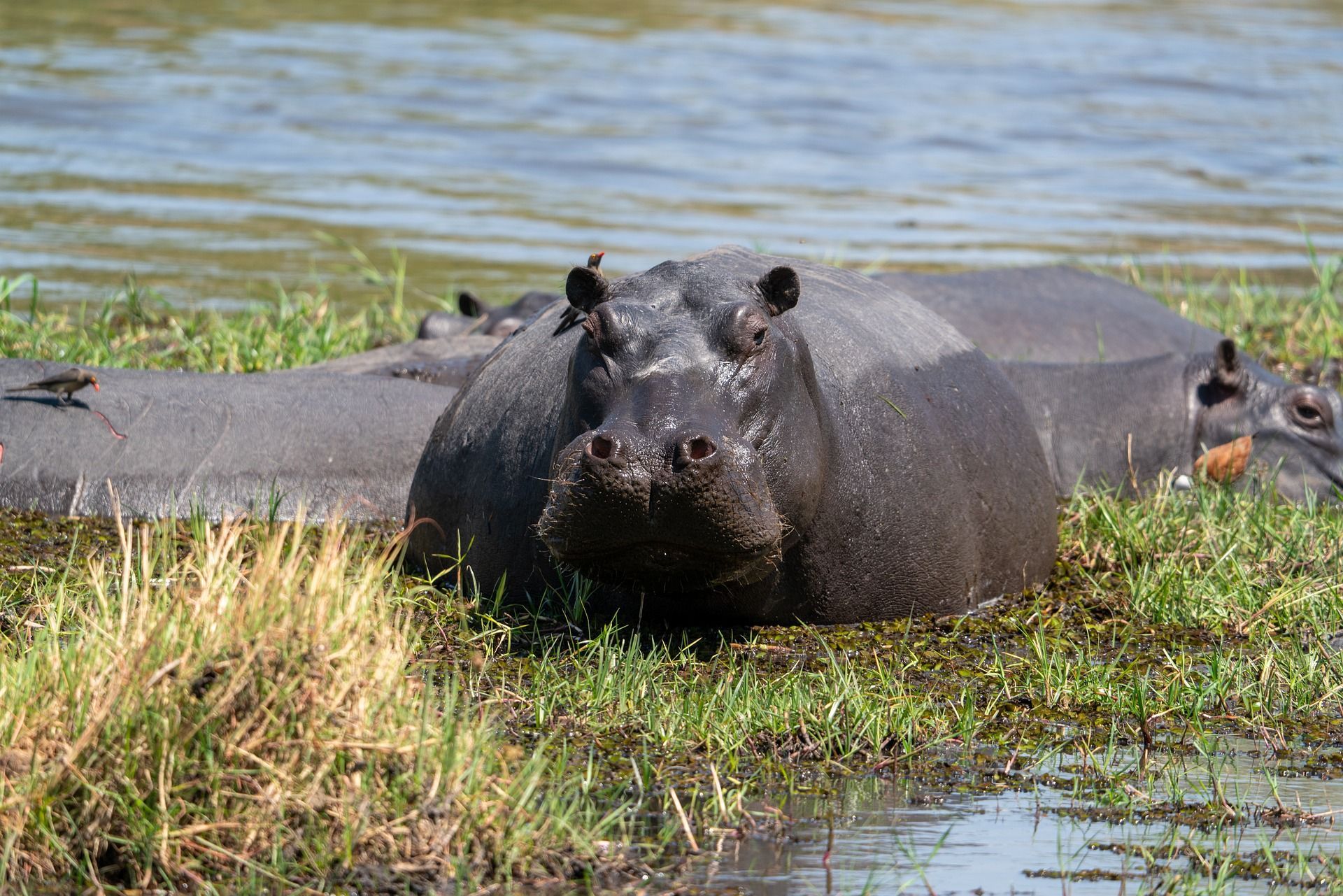
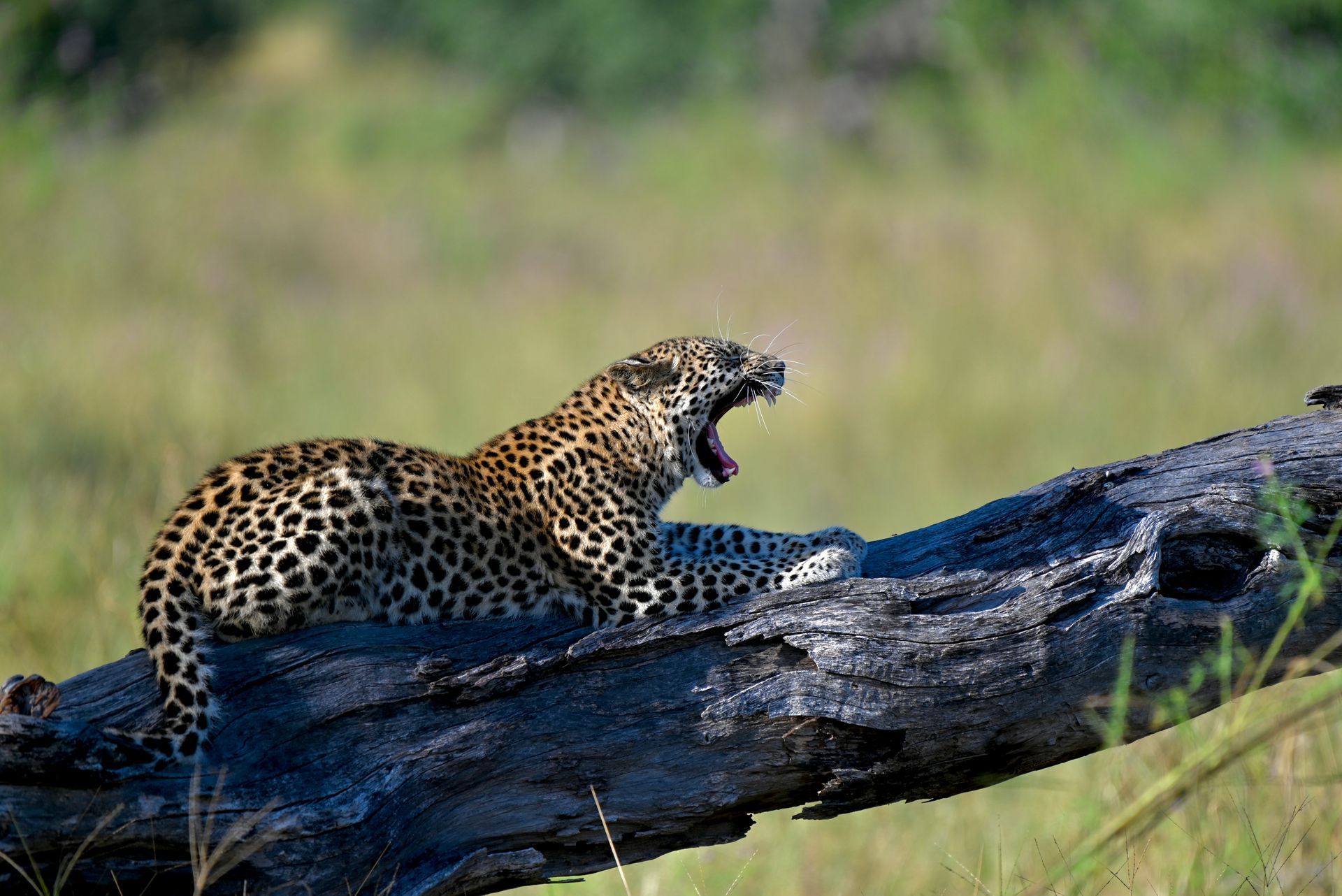
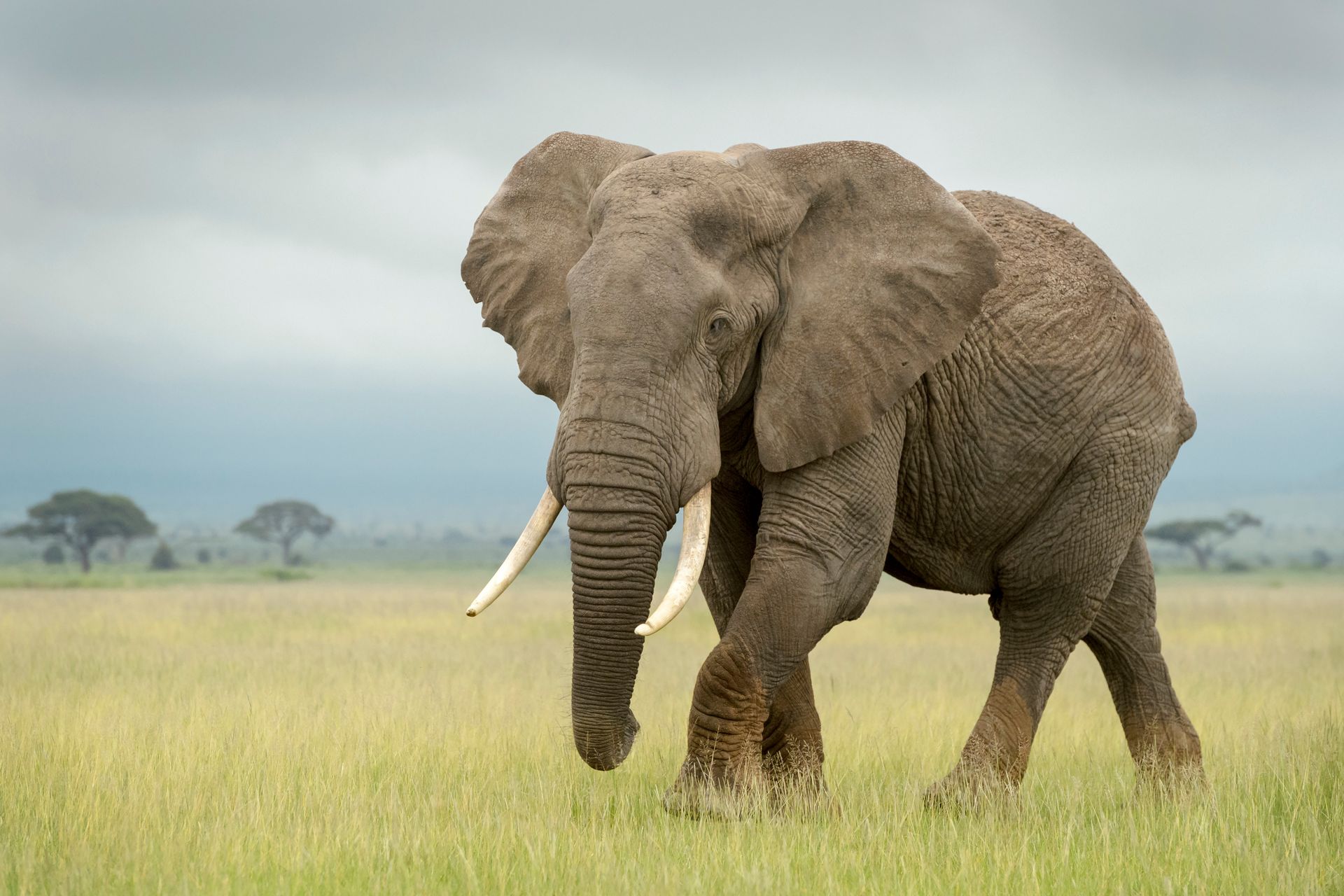
Elephants wade belly-deep across channels, their reflections rippling beneath them. Hippos surface from the Mbudi Channel with concentric rings spreading outward in the morning stillness. Leopards move through the riverine forest with a fluid, unhurried grace. Painted wolves, when they pass through, do so at a pace that demands quick, decisive shooting.
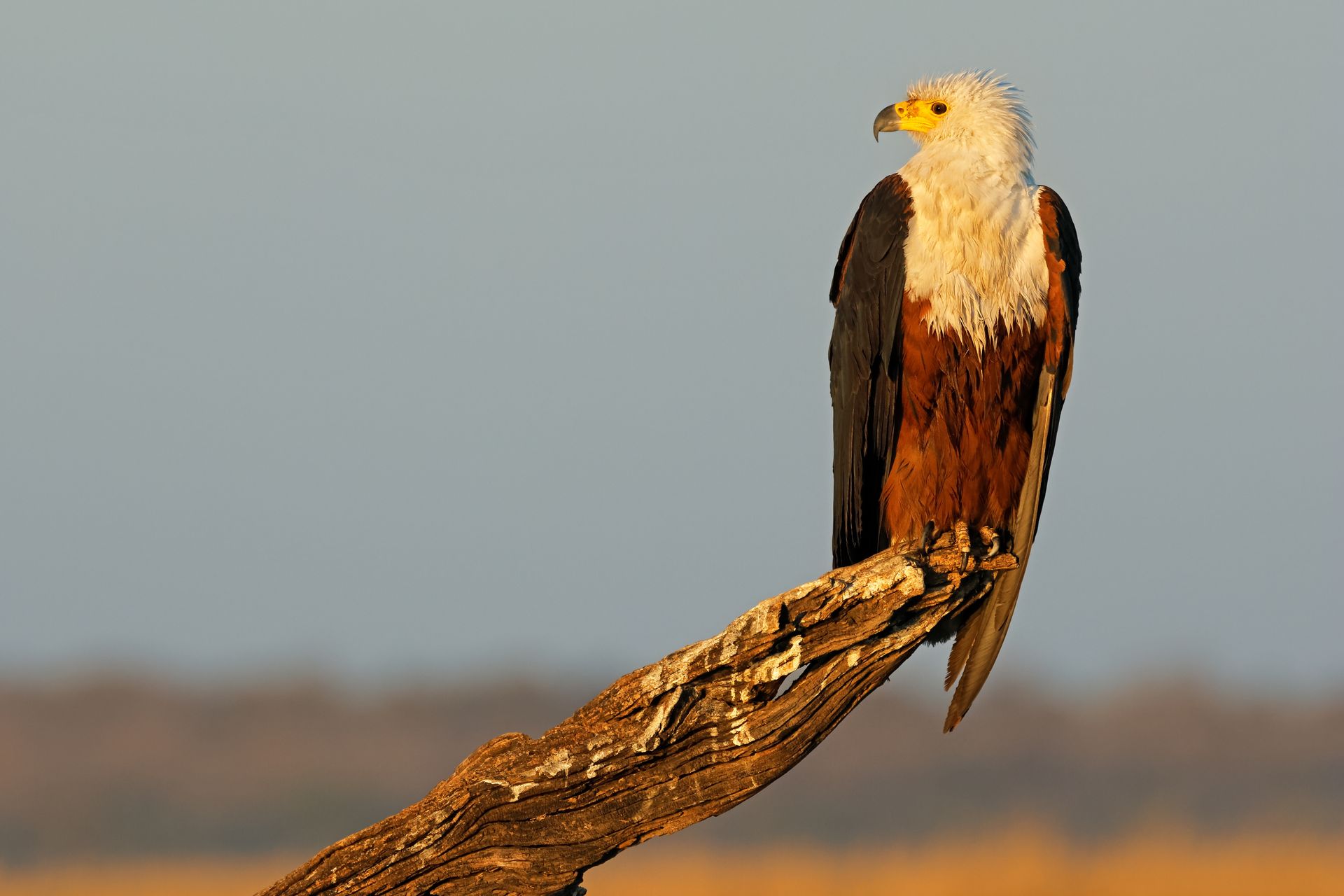
Birdlife is exceptional and relentless. Malachite kingfishers, all jewelled precision, hover and plunge... African jacanas pick their way across lily pads... Fish eagles call from high branches and then drop in a controlled arc to the water... Herons and storks stand motionless in the shallows, all patience and concentration... For photographers who love behaviour, flight shots and intimate wetland scenes, Feline Fields Vintage Camp offers a genuinely extraordinary concentration of subjects in a single morning.
Mokoros glide at water level past lily pads and reeds, offering a perspective on the Delta that most visitors never experience and photographers almost never want to leave. And the camp itself, canvas, lantern-lit and nostalgic, the aesthetic of the golden age of safari done with real flair, is photogenic in its own right. The interiors, the details, the guides and staff at work, the atmosphere of early morning before the first drive: these lifestyle and documentary images add context and narrative to wildlife work, and Feline Fields Vintage Camp has them in abundance.
Landscaes, light, culture and the small stuff
Feline Fields Lodge offers a fundamentally different photographic experience, and one that rewards those who are willing to see beyond the conventional safari brief. This is landscape photography country, pure and expansive, and the Kalahari’s semi-arid savannah gives you something that dense bushveld rarely can: space.
Sight lines are long and uncluttered. Backgrounds are clean. The horizon goes on and on. You spend considerably less time battling branches and considerably more time thinking about composition, storytelling and the quality of the light you’re working in.
The light here is something to reckon with. The Kalahari’s dry air produces a clarity and contrast that transforms even ordinary scenes. Mornings begin with a soft, silvery coolness that warms rapidly into deep gold. Evenings stretch into amber and burnt orange, and the sunsets linger with an almost theatrical generosity. Shadows fall long and sculptural. Even mid-morning, when most photographers pack away their cameras, the Kalahari can surprise.
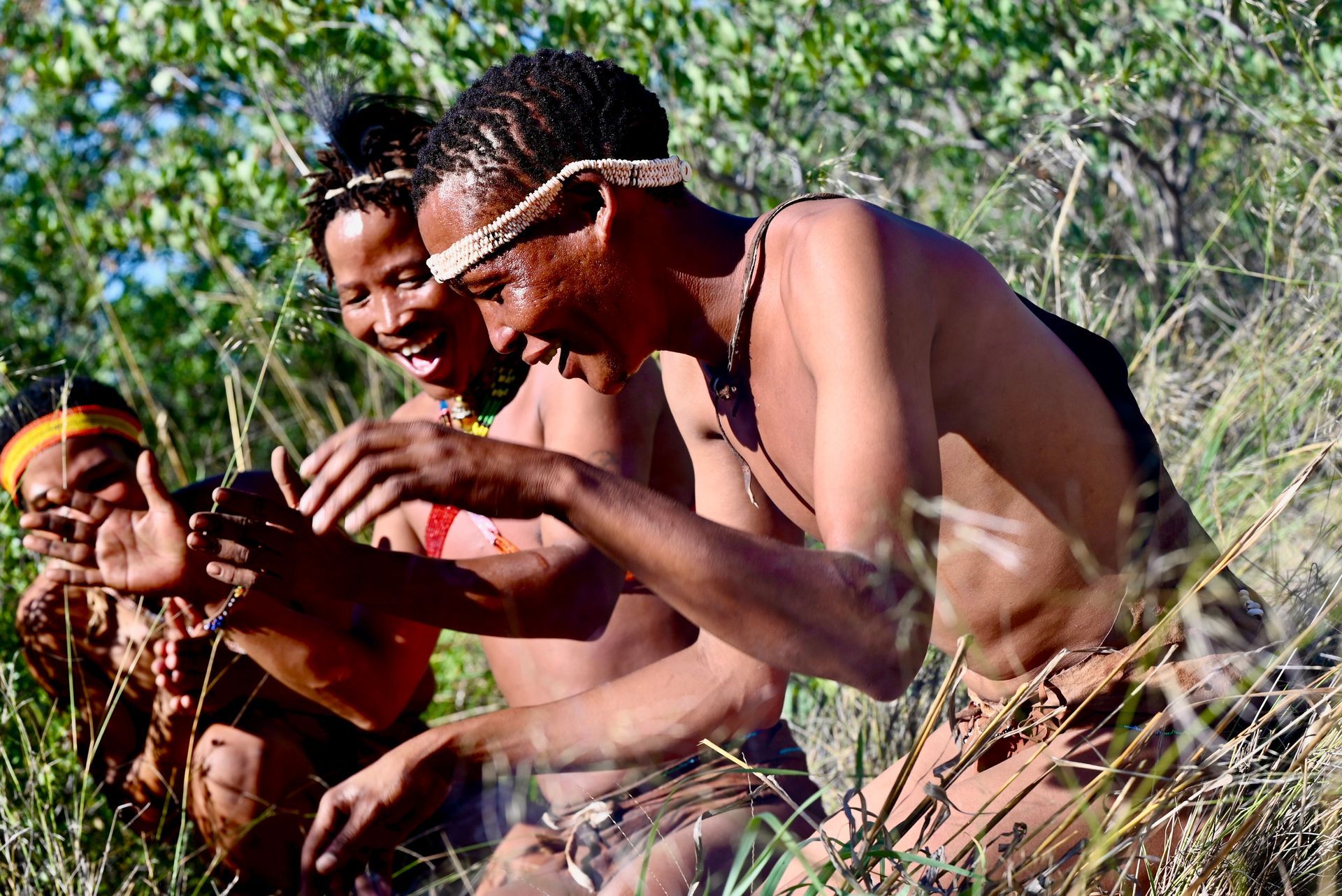
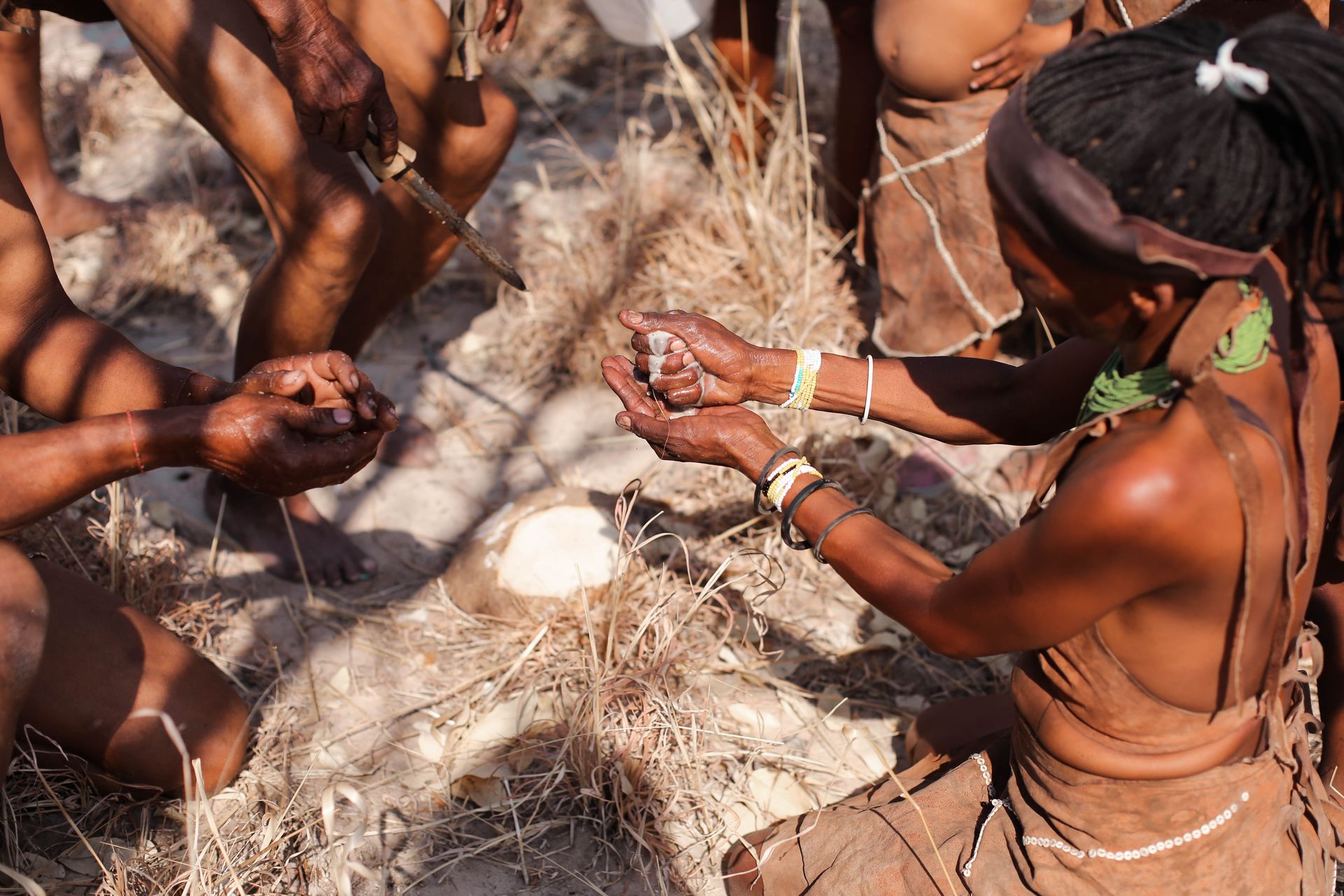
Time with the Ju/’hoansi San opens up an entirely different photographic world. These are faces of extraordinary character, hands that carry decades of knowledge, expressions of a culture with tens of thousands of years of this landscape written into it. Photographing the San at work, tracking through the scrub, demonstrating their knowledge of plants and soil and sky, is portraiture with genuine depth. These are images that carry weight and story long after the safari is over.
The smaller subjects reward those who look beyond the obvious from sociable weaver nests the size of haystacks in the upper branches of camelthorn trees to raptors on stark branches with the whole Kalahari sky behind them. Tracks and textures in the sand that tell stories a conventional wildlife portrait never could.
The nocturnal residents, leopard, brown hyena, civets, genets and honey badger, reveal themselves on the trail cameras and occasionally on night drives, offering the kind of intimate, low-light encounters that take real skill to capture well. Feline Fields Lodge is a place for telling fuller, stranger, more personal photographic narratives.
The gift of time and the private wilderness advantage
What sets Feline Fields apart from more crowded safari destinations is pace and privacy. There are no queues of vehicles at a sighting, no pressure to grab a hasty frame and move on. If a leopard settles into a comfortable position in reasonable light, you stay. If the morning is producing exceptional atmosphere over the floodplains, nobody is suggesting you hurry back for breakfast.
Guides at both properties understand that photographers often need behaviour and patience rather than a quick look and a tick in the register. They’ll wait for the head turn, the interaction, the decisive moment, and that patience is often the difference between a snapshot and a photograph worth keeping.
Night skies at both properties are extraordinary. With almost no light pollution in either location, astrophotography after dark is a very real and very worthwhile pursuit, and the Kalahari’s open horizon makes it particularly spectacular.
What to bring
A versatile kit is the foundation. For wildlife at Feline Fields Vintage Camp, a telephoto in the 100–400mm or 200–500mm range covers most situations comfortably. Those serious about birds or smaller mammals will find a longer prime, 500mm or 600mm, particularly rewarding. Wider glass earns its place too: a 24–70mm or 16–35mm is essential for landscapes, the big Kalahari skies, environmental portraits with the San, and atmospheric camp scenes at both properties.
In the Delta, wider lenses come into their own in reflections, floodplain vistas and the intimate scenes that water creates around the edges of channels and lagoons.
A second camera body is strongly recommended. Swapping lenses in the field means missed moments, and in the dry Kalahari, dust is a consideration worth respecting. One body carrying a telephoto and one with a mid-range or wide lens is the practical answer.
Beyond that: a beanbag for stability on the vehicle rail, spare batteries, generous memory card capacity, a cleaning kit, and a lightweight tripod for low-light work and astrophotography back at camp. A cloth to cover gear on dusty Kalahari drives will save considerable cleaning time.
Why it matters
There’s a kind of photography that happens when you’re rushing, and a kind that happens when you’re not. At Feline Fields Vintage Camp and Feline Fields Lodge, the pace is always the latter. You’re watching the land breathe, waiting for the light to shift, letting animals and people settle into their natural rhythms rather than reacting to your presence. That patience produces more considered images: fewer frantic frames, more photographs that actually mean something.
You’ll leave with two sets of images as different from each other as the two landscapes that made them. And both, if you’ve paid attention, will be worth every frame.